Home / Blog / Tummy Tuck Recovery Time in Dubai
Tummy Tuck Recovery Time in Dubai
March 19, 2026
Written by: Dr. Vikesh Vij Editorial Team Medically reviewed by: Dr. Vikesh Vij
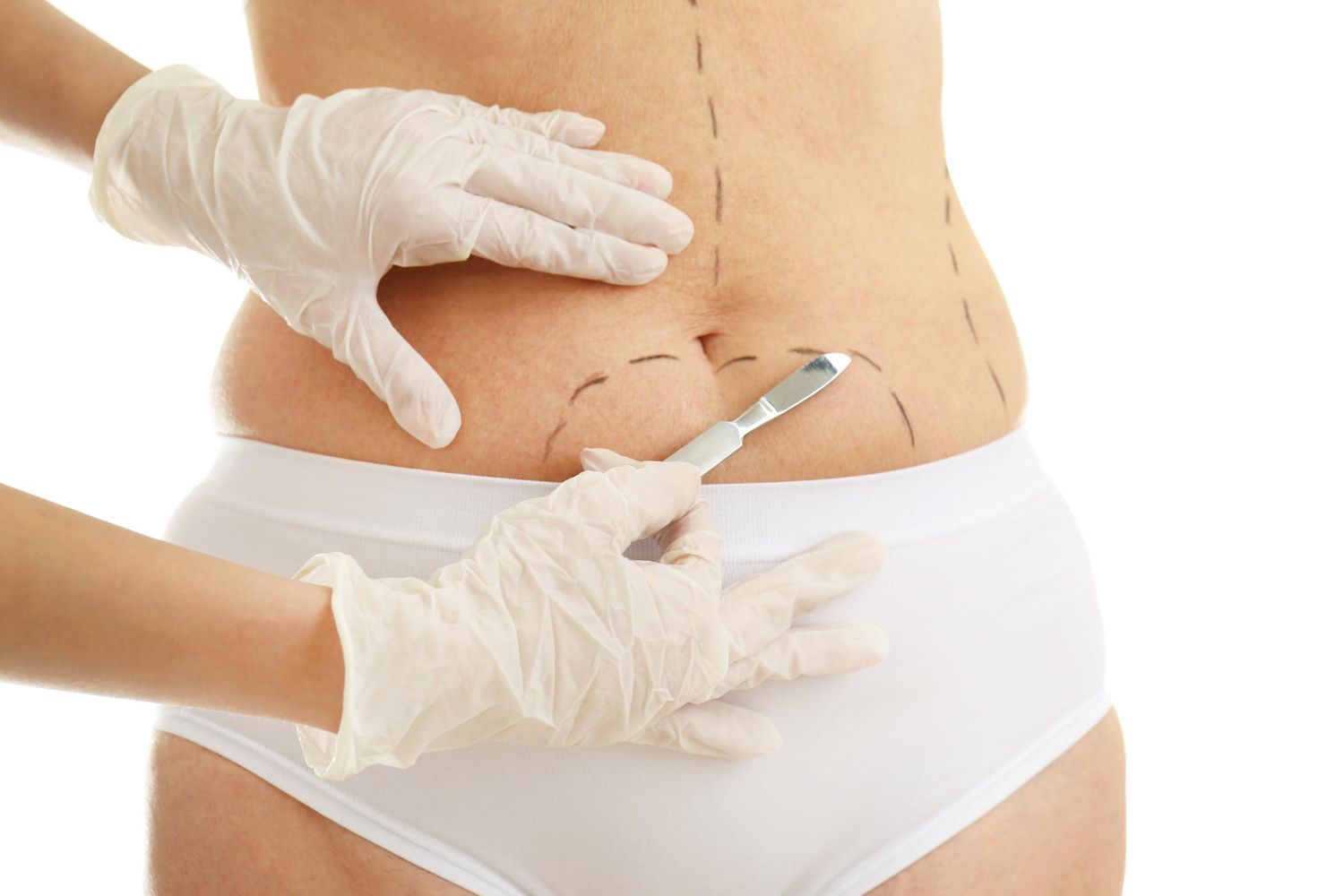
Stages, Tips, and What to Expect
Choosing to have a tummy tuck in Dubai is a significant decision. For many, feeling more at ease in their own skin following weight loss, motherhood, or just years of physical changes is more important than beauty. It can frequently originate from a position of insecurity, which makes it an extremely delicate and challenging process. While abdominoplasty in Dubai delivers transformative results, the recovery period is an important part of the journey. The healing process happens in phases, gradually leading to the final outcome.
If you’re preparing for a tummy tuck Dubai, understanding recovery time is just as vital as comprehending the operation itself – if not more important. You can prepare your house, plan your schedule, and approach recuperation with patience rather than dread if you know what to expect after the treatment. Perhaps the most crucial aspect is that it aids in your emotional and psychological preparation. In order to make sure you don’t feel like you’re missing anything, we’ll break down the stages of tummy tuck recovery in this blog, offer helpful advice to make things simpler, and address all the issues most people have prior to surgery.
The Recovery Timeline: A Week-by-Week Guide
Following a tummy tuck for men in Dubai, most patients experience a recovery process that follows a common pattern, though individual results may differ. Considering that, let’s take a deeper look at what to anticipate.
Week 1: The Adjustment Phase
As usual, the first week following tummy tuck surgery in Dubai is the most demanding. It’s highly likely that you will experience pain, swelling, and fatigue, all of which are perfectly normal. Getting in and out of bed requires more effort than ever before, and walking may feel awkward at first because your core muscles are recovering. Your surgeon will give you instructions on how to take care of your incision and pain medication, both of which you must strictly adhere to. In order to support the abdomen and lessen swelling, you’ll also wear a compression garment, which should further improve your comfort level. Feeling constrained is common, but don’t worry—this phase goes over fast.
This week’s main priorities are rest, staying hydrated, and gently moving around the house to promote circulation. You should concentrate on unwinding and taking it easy at this time.
Weeks 2-3: Regaining Mobility
Most folks feel significantly better by the second week. Walking will be easier for you, and if you’re feeling up to it, you might even resume light everyday activities. The bruising and swelling begin to lessen, but they won’t go away entirely just yet. Around week two or three, you might be allowed to return part-time or full-time if your work isn’t physically taxing; this is more likely if you work from home. Don’t get ahead of yourself, though; hard lifting, exercise, and anything that puts a strain on your core are still absolutely prohibited.
This week’s main objective is to gradually increase your activities while still paying attention to your body. Overdoing it isn’t worth it because it can hinder your recovery and cause you to regress.
Weeks 4-6: Building Strength Again
You will begin to feel more like yourself at this point. The swelling will continue to reduce, energy levels improve, and in many cases, you’ll feel ready to resume modest activities with your surgeon’s consent. A promising and exciting stage in the healing process is when many patients see their waistline beginning to take shape and their results becoming apparent. Your compression garment will likely still be worn, but it will be a lot more comfortable today than it was during the initial weeks. It’s common for scars to be in the early phases of healing; all you need to do is be patient.
Key focus these weeks: Maintain a regular diet, stay hydrated, and engage in mild exercise. Until your surgeon gives the all-clear, stay away from anything high-impact. The healing process is not yet complete, even if you may feel better.
Months 2-3: Seeing the Results Starting To Take Shape
You’ve essentially completed the most difficult phases of recuperation by this point. You’ll see a flatter, firmer abdomen and much less swelling. Reintroducing exercise may typically be done gradually, but before going back to the gym, always consult your surgeon. It always greatly relies on the individual, including how well they are recovering and how fit they were prior to the treatment. This stage is frequently exciting emotionally. Clothes fit differently, and you begin to understand why you underwent the operation in the first place. Although it’s usually transient, some persistent tightness or numbness around the incision site is common.
These months, it’s important to respect your body’s need for healing while embracing your new routine.
Long-Term Recovery: 6 Months and Beyond
It may take six months to a year to fully recover from a belly tuck. By now, the results are more distinct, your abdomen feels natural, and the scars are lighter and softer. The majority of people feel comfortable going back to all of their regular activities, including intense workouts and core exercises. You’ll begin to feel more like yourself at this stage. You’ll finally see the results of your perseverance. With the best abdominoplasty Dubai, many patients experience not only a more contoured abdomen but also improved posture and renewed self-confidence.
Top Tips for a Smooth Recovery
There are certain things you can do to make the healing process more comfortable and effective, even though it takes time.
1. Prepare Your Space Ahead of Time
Provide pillows, blankets, refreshments, and entertainment in your home’s recovery space. Since you’ll first need to lay in a slightly bent position, a recliner or bed with additional cushions can make sleeping easier. This is much more crucial if you’ll be recovering on your own. In any case, it makes rehabilitation a little more appealing, if only initially, before boredom sets in.
2. Follow Post-Op Instructions Exactly
Your surgeon will provide you with personalized advice regarding activity limitations, compression clothing, and wound care. Following these guidelines guarantees the greatest outcomes and helps avoid issues. These should always be prioritized over general advice found online or elsewhere.
3. Accept Help
During the first week, you will require help with childcare, cooking, and even getting in and out of bed. Never be afraid to ask for assistance; you’ll likely heal more quickly and with less stress. Therefore, if you have someone who can help, attempt to arrange for their assistance prior to the surgery.
4. Focus on Nutrition and Hydration
Energy is needed for healing. Strive for a diet high in whole foods, protein, and vitamins. Staying hydrated also helps your body regulate edema and promotes recovery.
5. Be Patient with the Process
Although it’s easy to desire results right away, you only need to be patient because recuperation takes time. The process includes temporary tightness, scarring, and swelling. Have faith in the process and keep in mind that the healing process is just temporary and that each step brings you closer to your ultimate goal.
Wrapping Up: How To Best Prepare for a Tummy Tuck
The process of recovering from a tummy tuck happens in phases. Even though the first week can be difficult, each day brings you one step closer to recovery and the outcomes you’ve been hoping for. Recovery gets easier to handle and the transition becomes even more fulfilling with the proper planning, reasonable expectations, and a little patience.
The best approach to get ready for a tummy tuck is to work with a board-certified surgeon who will walk you through every stage of the procedure, from the operating room to complete recovery. Knowing what to anticipate is the first step on the road to a stronger, smoother, and more self-assured you, so spend some time researching your options before deciding. If you’re ready to move forward, schedule a consultation with Dr. Vikesh Vij, widely regarded as one of the best tummy tuck surgeon in Dubai, to discuss your goals and treatment options.
FAQs
When can I go back to work?
You might be able to return in two to three weeks if your work is sedentary. Work that is physically hard could take up to six weeks. In any case, be careful to act in a way that is appropriate for your circumstances and your body.
Will I have scars?
Yes, although they are usually positioned low on the belly so that clothes or swimsuits can cover them. This shouldn't be a major worry because scars usually disappear with time.
Can I exercise after surgery?
Light walking is recommended immediately, but with your surgeon's permission, intense exercise or core exercises typically resume after six to eight weeks.
How long does swelling last?
Although the initial swelling goes down in the first month, it is usual for mild swelling to last for several months. After surgery, final results are frequently apparent six to twelve months later.
What are the typical stages of tummy tuck recovery?
Tummy tuck recovery occurs in several stages. The first week usually involves rest, mild pain, and swelling while your body begins healing. In weeks 2–4, bruising diminishes, and light activities can be resumed. Weeks 4–6 are focused on gradually returning to normal activities, while wearing compression garments. By 3 months, most swelling subsides, and results become more visible. Full recovery and scar maturation can take 6–12 months.
How can I manage swelling and bruising effectively after surgery?
Swelling and bruising are natural during the initial recovery period. Wearing compression garments as instructed by your surgeon helps reduce fluid buildup. Elevating your upper body while sleeping, applying cold compresses in the first 48 hours, and staying well-hydrated can accelerate healing. Avoiding salt-heavy foods may also help minimize excessive swelling.
Are there specific activities to avoid during tummy tuck recovery?
Yes, certain activities can disrupt healing. Avoid heavy lifting, intense exercise, and bending for at least 4–6 weeks. Movements that strain your abdominal muscles may cause bleeding, delay healing, or affect the final results. Sexual activity and swimming should also be postponed until your surgeon gives clearance.
How can I care for my incisions to promote healing?
Proper incision care is crucial for smooth recovery. Keep the area clean and dry, follow your surgeon’s instructions for dressing changes, and avoid touching or scratching the incision. Using recommended scar creams or silicone sheets once approved can help minimize scar appearance. Sun protection is also essential to prevent darkening of scars.
When will I see the final results of my tummy tuck?
While initial results may be visible once swelling starts to reduce after a few weeks, final results typically appear between 6–12 months post-surgery. Skin tightens, swelling fully resolves, and scars mature during this time. Maintaining a stable weight and healthy lifestyle ensures the results last long-term and your abdominal contour remains defined.
Related Blogs

How to Choose a Plastic Surgeon in Dubai: Qualifications, Safety and Questions to Ask
Can Liposuction Remove Belly Fat Permanently? What Happens if You Gain Weight Again?
Types of Breast Lift: Crescent, Donut, Lollipop and Anchor Compared
Breast Augmentation Myths: Is a Boob Job Worth It?