Home / Blog / Complete Guide to Breast Fat Transfer: 5-Step Process & Recovery
Complete Guide to Breast Fat Transfer: 5-Step Process & Recovery
March 5, 2026
Written by: Dr. Vikesh Vij Editorial Team Medically reviewed by: Dr. Vikesh Vij
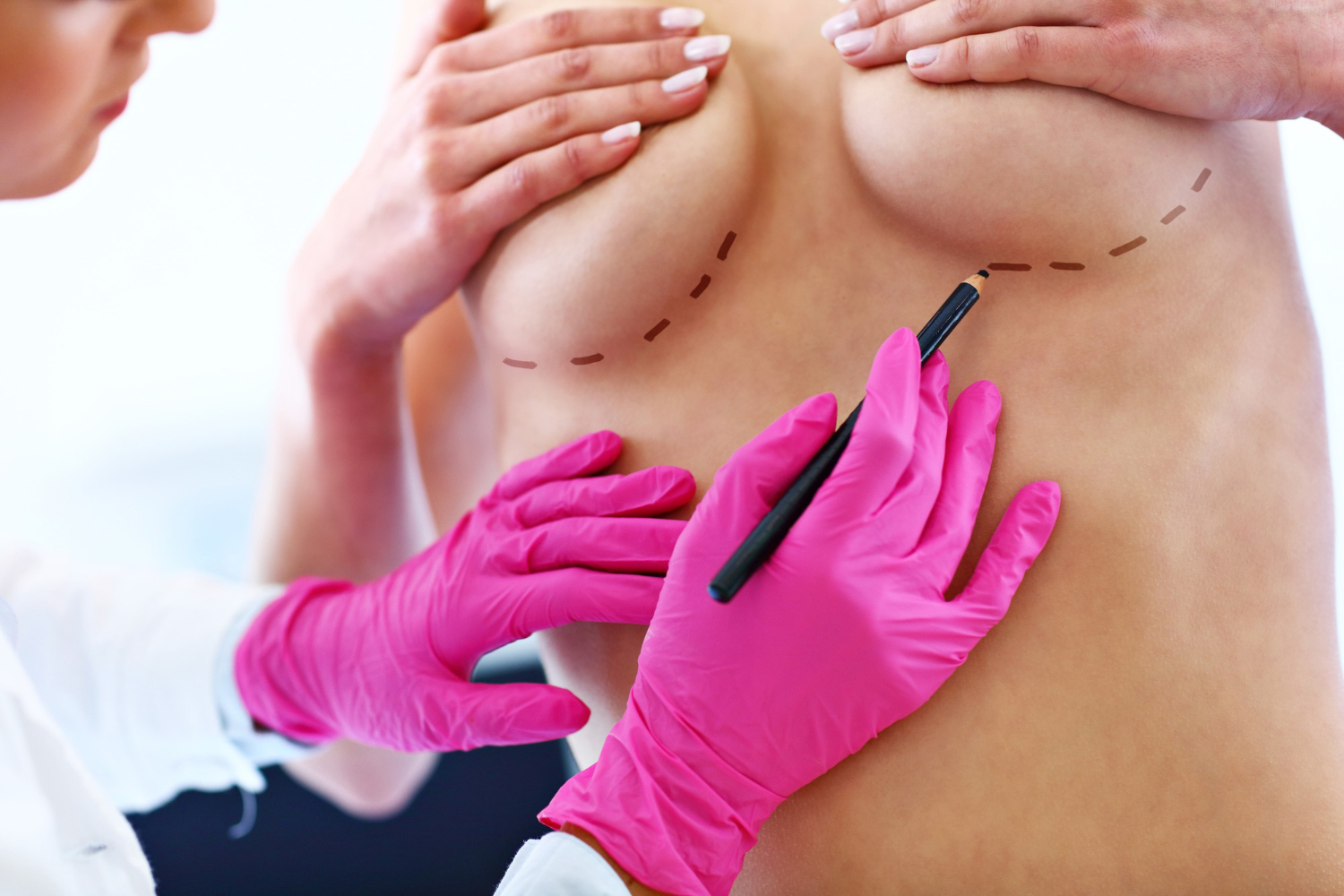
What is Breast Fat Transfer Surgery?
Breast fat transfer surgery is a natural breast augmentation operation that uses your own body fat to improve breast volume and contour. Unlike typical breast implants, this autologous fat transfer in Dubai procedure delivers a more natural feel and look while concurrently reshaping other regions of your body through liposuction.
A complex five-step approach is used in breast fat transfer Dubai grafting in order to optimize fat cell survival and provide safe, successful outcomes. This natural breast augmentation normally takes 2-3 hours and is performed under sedation or general anesthesia, depending on the intricacy and volume needs.
Recent breakthroughs in fat transfer Dubai grafting procedures have dramatically improved survival rates, with most patients reaching 70-80% fat retention. Because of this, breast fat transfer is becoming a more and more attractive substitute for conventional implant-based augmentation, particularly for patients looking for a modest, natural enlargement.
The surgery not only boosts breast size but also gives the extra advantage of breast fat grafting in Dubai by targeted fat removal from places like the belly, thighs, or flanks. This dual advantage makes it an intriguing alternative for people wanting to attain total body proportionality.
Step 1: Fat Harvesting (Liposuction Process)
Optimal Donor Site Selection
Successful natural breast augmentation depends greatly on identifying optimal fat donor locations. The most successful regions for fat harvesting include:
Abdominal Fat
Provides the maximum volume of harvestable fat
Contains high-quality adipocytes with exceptional survival rates
Offers simultaneous abdominal contouring advantages
Requires a compression garment during recovery
Thigh Fat
Available from both the inner and outside thigh regions
offers high-quality fat with advantageous qualities
Enables leg slimming and enhanced body proportions
Faster recovery and generally well-tolerated
Flank Fat
Fantastic for reducing waist size
Moderate volume availability
Strategic position for body contouring
Minimal impact on regular activities during recuperation
Advanced Liposuction Technique
The best fat grafting surgeon uses specific liposuction technologies to preserve fat cell integrity:
Tumescent solution infiltration: A precisely regulated combination of saline, lidocaine, and epinephrine is injected to decrease bleeding and cell damage.
Gentle aspiration: Small 3-4mm cannulas are utilized with low suction pressure to reduce fat cell damage (Harvest-jet approach).
Multi-layered harvesting: To preserve the natural features of the body, fat is extracted from different tissue depths.
Temperature control: Harvested fat is stored at an appropriate temperature to sustain cell viability.
Step 2: Fat Purification and Processing
Critical Fat Processing Steps
Appropriate fat preparation has a major impact on the quality of breast fat transfer outcomes. This key phase involves:
Method of Centrifugation
High-speed spinning at 3,000 rpm for 3 minutes
Separates pure fat cells from infiltration fluid, blood, and oil.
Removes damaged cells and contaminants
Concentrates on adipocytes that are viable for injection
Advanced Washing Techniques
Water-jet purification for increased fat quality
Removal of inflammatory debris and damaged tissue
Preservation of fat cell integrity throughout processing
Improved fat survival rate by careful handling
Stem Cell / PRP Enhancement (Optional)
Some advanced autologous fat transfer methods combine stem cell or PRP enrichment:
Isolation of stem cells: Removing adipose-derived stem cells from fat that has been obtained.
Concentration Process: Stem cell density is increased by using specialized equipment.
Fat-stem cell mixing: Optimal ratios for increased survival.
Angiogenesis promotion: Improved blood vessel development for fat nutrition.
Step 3: Breast Fat Injection
Precise Injection Methodology
Precise Injection Methodology in fat grafting in Dubai demands outstanding surgical expertise and anatomical knowledge:
Method of Multi-Layer Injection
Fat is dispersed among several tissue planes.
Small quantities are injected every pass to ensure enough blood flow.
Subcutaneous, mammary, and retromammary location.
Reduces the chance of fat necrosis by distributing it carefully.
Fan-Pattern Distribution
Multiple directional passes from a single input point
Creates natural breast curves and shape
Ensures even distribution of fat
Maximizes fat survival rate with appropriate spacing
Volume Considerations and Safety
The effectiveness of breast fat transfer depends on choosing the right injection volumes:
Typical volumes: 100-200cc per breast for optimum outcomes
Patient-specific factors: Objectives, tissue quality, and current breast size
Safety limits: A cautious approach avoids issues.
Staged procedures: Multiple sessions may be recommended for greater augmentations
Anatomical Precision
A thorough grasp of breast anatomy is necessary for safe breast fat grafting:
Mammary gland protection: Careful positioning to avoid ductal system injury
Vascular preservation: Protection of essential blood vessels
Symmetry maintenance: Precise measurements for balanced outcomes
Natural contour creation: Artistic positioning for visually pleasing results
Step 4: Surgery Completion and Recovery Room Transfer
Dressing and Surgical Closure
The last part of the breast fat transfer surgery involves:
Closure of the incision: Carefully sutured small donor site incisions
Sterile dressing application: Protection of all surgical areas
Positioning compression garments: Assistance for regions undergoing liposuction
Supportive bra fitting: Mild assistance for recently enlarged breasts
Post-Operative Monitoring
Immediate post-surgical care focuses on patient safety and comfort:
Vital sign monitoring: Continuous evaluation of blood pressure, pulse, and respiration
Pain management: Appropriate use of analgesics
Bleeding assessment: Regular examination of surgical sites
Recovery supervision: Professional monitoring during anesthetic recovery
Post-Surgery Recovery Process and Care
Immediate Recovery Phase (Days 1-3)
The first breast fat transfer recovery time is critical for the best results:
Pain Management
Prescribed pain medicine administered as indicated
Liposuction sites are often more unpleasant than the breasts
Ice treatment for edema and pain decrease
Gradual improvement in comfort levels
Activity Restrictions
Avoid lifting more than five pounds.
Steer clear of physically demanding sports and exercise
Adequate rest and sleep are necessary
Gentle walking is advised for circulation
Mid-Recovery Phase (Weeks 1-4)
This important phase impacts fat survival rate and eventual outcomes:
Compression Garment Care
Liposuction regions require compression for 4-6 weeks
Gentle, non-compressive bras for breast support
Frequent washing and replacing of clothing
Fitting correctly to guarantee efficacy
Lifestyle Modifications
Quitting smoking is essential since it reduces blood circulation and fat storage.
Balanced nutrition to assist healing
Sufficient fluids for the best possible recovery
Light walking exercise as tolerated
Late Recovery Phase (Months 1-3)
Outcomes become obvious throughout this breast fat grafting maturation period:
Result Assessment
Swelling entirely resolves
Final determination of breast shape and size
Evaluation of the fat survival rate is finished
Consideration of extra processes if needed
Key Factors for Maximizing Fat Survival Rate
Surgical Technique Excellence
Achieving excellent breast fat transfer outcomes depends on numerous crucial factors:
Gentle Fat Handling
Minimal stress while harvesting and processing
Appropriate temperature maintenance throughout the process
Rapid transfer from harvest to injection
Sterile approach to avoid contamination
Optimal Injection Method
Multi-layer placement and small volume
Proper technique and needle pressure
Even distribution for optimal blood supply
Avoid using too much pressure when injecting
Patient Factors
The effectiveness of autologous fat transfer is greatly influenced by individual characteristics:
Pre-Operative Preparation
Smoking abstinence for at least 2 weeks before surgery
Maintenance of a constant, healthy weight
Adequate fat donor locations available
Overall excellent health status
Post-Operative Care
No diet, no severe activity for 3 months
Carb-focused diet for 3 months
No tight bras (no pressure)
resting on one’s back. (Side sleeping or stomach sleeping exerts pressure on the breast)
FAQs
When can I return to normal activities after surgery?
Most patients can resume mild activities within one week following breast fat grafting. Office work is normally doable after 7-10 days, although hard lifting and vigorous activity should be avoided for 4-6 weeks. Full recovery and ultimate results are noticeable after 3-6 months.
What is the typical fat survival rate?
Modern autologous fat transfer procedures produce survival rates of 70-80% in most patients. Individual outcomes may vary depending on surgical method, patient circumstances, and post-operative care. Studies demonstrate that correctly executed fat grafting can produce long-lasting, permanent benefits.
When might a second procedure be necessary?
Additional breast fat transfer sessions may be recommended if the desired volume wasn’t reached or if asymmetry develops. Second treatments are often conducted 6-12 months following the original surgery, enabling complete healing and outcome assessment. Some patients select tiered techniques to attain bigger volume increases safely.
Is breast fat transfer safe for cancer screening?
Grafting breast fat is regarded as safe and does not raise the risk of breast cancer. Autologous fat transfer did not raise locoregional recurrence rates in individuals with breast cancer, according to a thorough meta-analysis. However, fat transfer may result in imaging alterations that need to be interpreted by qualified radiologists.
What areas of the body can be used as fat donor sites for breast fat transfer?
Breast fat transfer uses fat harvested from areas where excess fat is naturally stored. Common donor sites include the abdomen, flanks (love handles), thighs, hips, and lower back. The choice of donor area depends on where sufficient fat is available and which areas the patient may also want contoured. One added advantage of this procedure is that it combines breast enhancement with body sculpting, improving overall body proportions.
How is the transferred fat prepared to ensure natural-looking results?
Once the fat is harvested, it undergoes a careful purification process to remove excess fluids, oils, and damaged fat cells. Only healthy, viable fat cells are selected for transfer. The purified fat is then strategically injected in small amounts and multiple layers within the breast tissue. This meticulous technique helps ensure smooth contours, even distribution, and a soft, natural feel, while also supporting long-term fat retention.
Will breast fat transfer improve breast shape as well as volume?
Yes, breast fat transfer is not only about increasing size but also about enhancing breast shape and symmetry. Surgeons can use fat grafting to correct minor asymmetries, restore volume lost after weight loss or pregnancy, and improve upper pole fullness. The result is a more youthful, balanced, and natural breast contour rather than an overly augmented appearance.
What lifestyle factors can affect the outcome of breast fat transfer?
Lifestyle plays a significant role in the success of breast fat transfer. Smoking, significant weight fluctuations, poor nutrition, and lack of post-operative care can negatively impact fat survival. Patients are advised to maintain a stable weight, avoid smoking, stay well-hydrated, and follow all aftercare instructions closely. A healthy lifestyle helps the transferred fat establish a blood supply and integrate successfully into the breast tissue.
Can breast fat transfer be combined with other cosmetic procedures?
Yes, breast fat transfer is often combined with other cosmetic treatments for enhanced results. It may be performed alongside liposuction contouring, breast lift surgery, or body sculpting procedures. Combining procedures can improve overall aesthetics while minimizing total recovery time. However, suitability depends on individual health, goals, and surgical planning discussed during consultation.
Recent breakthroughs in fat transfer breast augmentation Dubai procedures have dramatically improved fat survival rates, with most patients reaching 70–80% retention. This makes it an attractive alternative for patients seeking natural, modest breast enlargement without implants.
Breast fat transfer surgery is a complex technique for natural breast enlargement that demands outstanding surgical skill and complete patient care. To get the best outcomes, the five steps—from cautious fat harvesting to exact injection—must be carried out with painstaking attention to detail.
Success in natural breast augmentation hinges on finding an expert surgeon with considerable training in fat grafting procedures. Each stage of the treatment, from donor site selection to final injection, determines the result and fat survival percentage.
In-depth contact with trained specialists is crucial for those thinking about breast fat grafting to assess eligibility and create suitable treatment strategies. The technique gives the unique benefit of simultaneous body sculpting while delivering natural, long-lasting breast enlargement.
We provide thorough consultations with skilled plastic surgeons who specialize in cutting-edge fat grafting procedures if you're interested in learning more about autologous fat transfer choices. Our staff offers individualized treatment programs created to safely and effectively accomplish your cosmetic objectives. Consulting the best breast fat transfer surgeons in Dubai ensures safety, precision, and optimal outcomes.
Related Blogs

How to Choose a Plastic Surgeon in Dubai: Qualifications, Safety and Questions to Ask
Can Liposuction Remove Belly Fat Permanently? What Happens if You Gain Weight Again?
Types of Breast Lift: Crescent, Donut, Lollipop and Anchor Compared
Breast Augmentation Myths: Is a Boob Job Worth It?