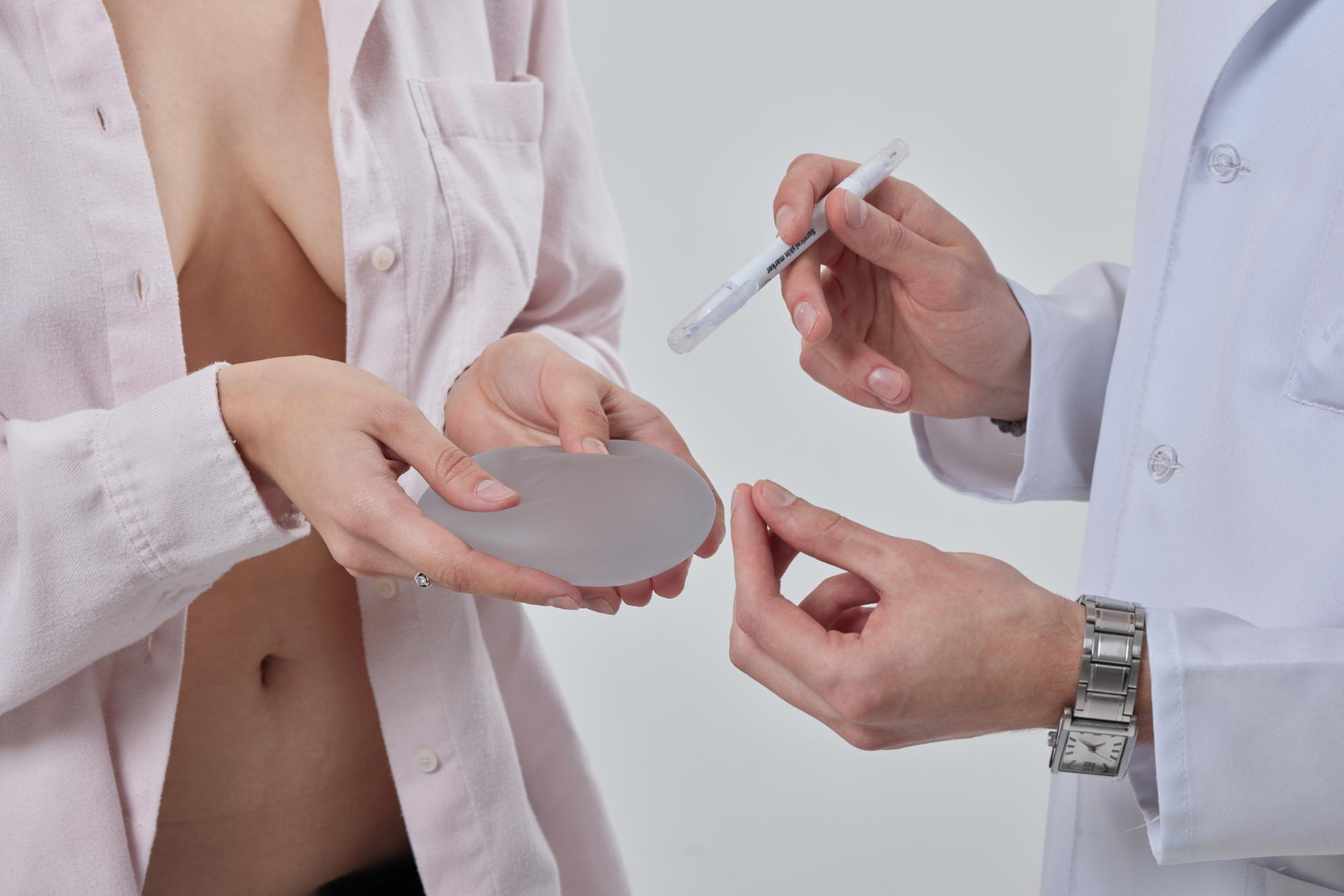
Home / Blog / A Guide To Liposuction
A Guide To Liposuction
July 19, 2026
Written by: Dr. Vikesh Vij Editorial Team Medically reviewed by: Dr. Vikesh Vij
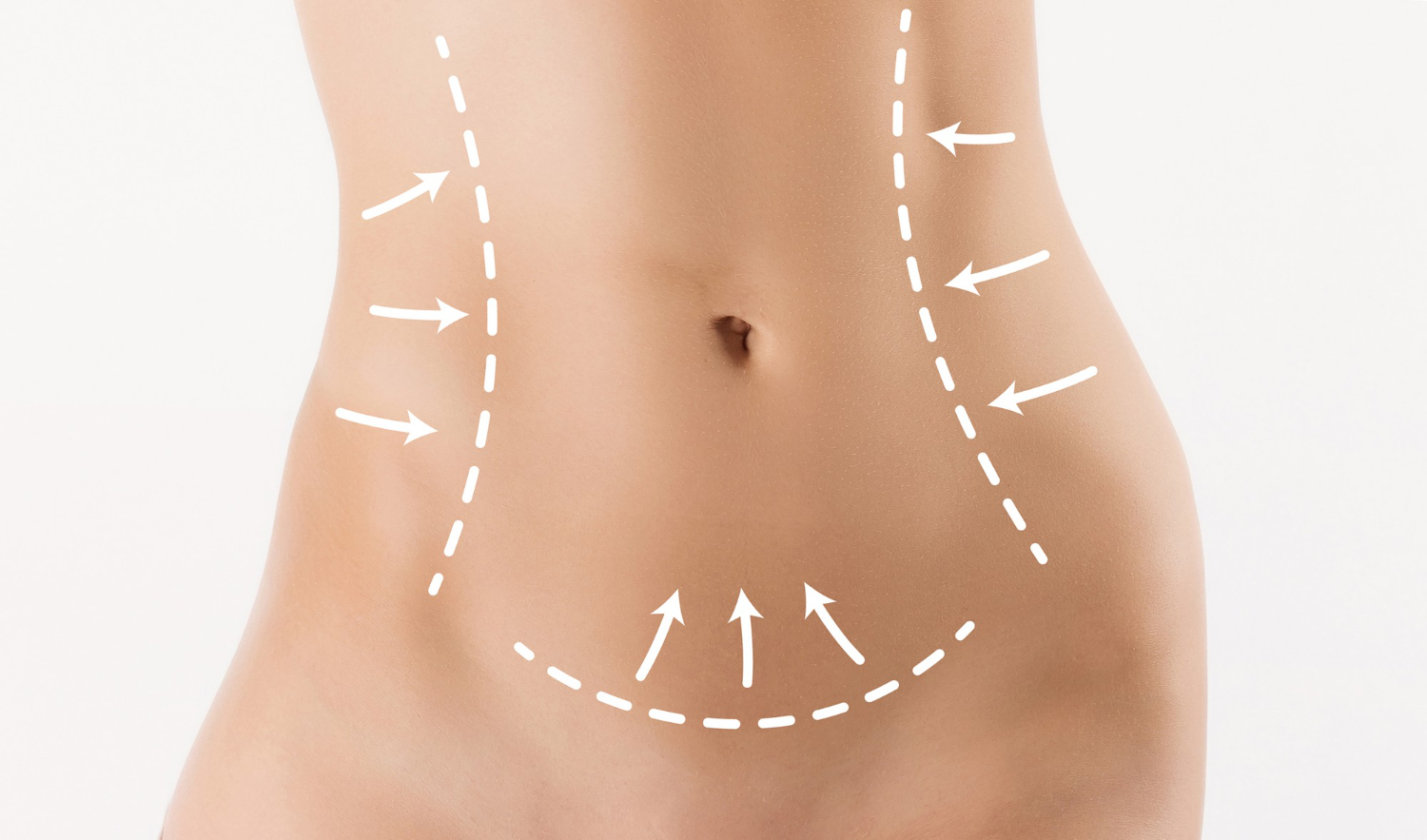
What is liposuction?
Liposuction is a procedure that removes fat deposits from the body, allowing the patient to achieve a more sculpted and improved shape. Many patients researching liposuction in Dubai want to understand their options before booking a consultation.
How to choose a liposuction surgeon?
Selecting a skilled surgeon frequently yields the best liposuction outcomes. If you’re thinking about getting liposuction, you should do a lot of research on surgeons to find one that will not only do the procedure safely but also help you get the results you want, making it worth the effort to find the best liposuction surgeon in Dubai. What are their credentials? How many procedures have they done? What areas of the body do they usually work on? Ask to see their liposuction before and after photos. Look for patients whose bodies look like yours to get an idea of what results to expect.
Who is suitable for liposuction?
Both male and female patients who wish to lessen the appearance of stubborn fat areas can benefit from liposuction. Although liposuction does remove fat, it is not intended to be a weight loss technique, so patients should ideally be near their ideal weight. In order for the skin to contract to the new body contours after the fat is removed, patients thinking about liposuction should also have good skin elasticity. For patients with large areas of sagging skin especially after weight loss, a tummy tuck or body lift procedure may be more suitable.
What are the Different Types of Liposuction?
There is a huge variety of different liposuction surgery in Dubai treatments and techniques out there to choose from. The technology utilized to aid in the fat removal process is the primary distinction between them. Although different surgeons may prefer one technique over another, the surgeon’s skill level is often the only factor that determines which technique yields the best results. According to Dr. Vikesh Vij, the main options include the following:
- Surgical Liposuction: As one of the earliest methods for liposuction, surgical liposuction is also known as liposculpture Dubai, suction-assisted lipectomy, and traditional liposuction. Surgical liposuction uses a suction technique to remove fat from the body. For instance, it can be done concurrently with a Brazilian Tummy Tuck.
- Vaser Liposuction: One of our most popular procedures is vaser liposuction Dubai. The fat cells are liquefied using ultrasound technology before being gently suctioned out.
- Vaser Hi-Def Liposuction: Patients who wish to make their bodies look more athletic and sculpted should use HD liposuction in Dubai. To make the underlying muscles more visible, the method eliminates the deep and superficial fat that surrounds the muscles.
- Vaser Mid-Def Liposuction: This method falls somewhere between hi-def and standard vaser liposuction. Compared to Vaser Hi-Def, it has a much softer finish while still bringing out a little bit of definition and shadowing.
- Vaser 4D: Vaser 4D Liposculpt is a more sophisticated type of Vaser liposuction. In addition to defining your underlying muscles and greatly enhancing your overall proportion, the technique carefully removes fat. This is often marketed as High Definition liposuction in Dubai for patients seeking a more athletic silhouette.
- Vaser 360: The Vaser 360 technique is best for patients who are having liposuction on their legs. The treatment targets the buttock crease, thighs, upper legs and knees for a full circumferential toned and firmer appearance to the legs.
- Micro Lipo: Most of the liposuction procedures listed above can be performed using the micro lipo technique, sometimes referred to simply as lipo in Dubai. Micro lipo refers to the size of the cannulas used to perform the procedure. For a procedure to be classified as micro lipo, the cannulas need to be within 0.9mm and 3mm wide.
Where can you have liposuction?
Liposuction can target a variety of areas, including the neck, chin, arm liposuction, male chest (gynecomastia), back, abdomen, male torso, flanks (love handles), buttock crease (banana fold), hips, knees, ankles, and the inner and outer thighs. No more than three liters of fat should typically be removed in a single session, though multiple areas can be treated simultaneously.
What does Liposuction involve?
Liposuction is done in a theater at a different hospital or in the clinic where you had your consultation. You shouldn’t experience any pain or discomfort during the procedure because it is usually carried out under local anesthetic and sedation. Tumescent fluid will typically be injected to expand the tissue layer after tiny microincisions are made near the treated areas. A tiny probe that emits ultrasonic energy will be inserted during vaser liposuction. When it comes into contact with the fatty tissue, it will vibrate and break it apart selectively. The fat is then extracted using a suction device by inserting and moving cannulas back and forth. Once the treatment is complete, bandages will be applied to the incisions and a compression garment will be put on the areas treated, which will need to be worn 24 hours a day for the first 3 weeks following the procedure, and then for at least 6 hours a day for another 3 weeks. Drains may occasionally be used to drain the wound of any pus, blood, or other liquids. The surgeon or their nursing staff in the clinic will remove these after they have been in place for up to five days.
Liposuction Aftercare
Since every patient heals differently, we advise patients to gradually resume their regular activities as soon as they feel well enough to do so after surgery. In general, we typically advise patients to give themselves two to three weeks to recover from liposuction. Patients should try to keep their activity levels up during the recovery of liposuction, for example, taking a daily walk to help to assist in the drainage of any fluid. We also recommend MLD massage treatments or Body Balancer to help aid your recovery, which can be organised with your surgeon. Exercise and other more strenuous activities, however, should be avoided for at least 4-6 weeks following surgery based on the advice of your surgeon. If you’re comparing options, it’s also worth discussing the liposuction cost in Dubai during your initial consultation.
FAQs
What are the different types of liposuction?
There are several techniques, distinguished mainly by the technology used to remove fat. Surgical liposuction (also called liposculpture) uses a traditional suction technique. Vaser liposuction uses ultrasound to liquefy fat before suctioning it out. Vaser Hi-Def targets deep and superficial fat to reveal underlying muscle definition, while Vaser Mid-Def offers a softer version of that sculpted look. Vaser 4D adds further muscle definition and proportion enhancement, and Vaser 360 is designed specifically for circumferential leg contouring. Micro lipo refers to procedures using very fine cannulas (0.9mm–3mm) and can be applied across most of these techniques.
Which areas of the body can be treated with liposuction?
Liposuction can be performed on many areas, including the neck, chin, arms, chest (including male gynecomastia), back, abdomen, torso, flanks, buttocks crease, hips, knees, ankles, and inner and outer thighs. Multiple areas can often be treated in a single session, although no more than three liters of fat is typically removed at once for safety reasons.
What does the liposuction procedure involve?
Liposuction is usually performed under local anesthetic and sedation, so patients shouldn't feel pain or discomfort during the procedure. Tumescent fluid is injected to expand the tissue layer through small microincisions. In Vaser liposuction specifically, an ultrasonic probe breaks apart fatty tissue before it's suctioned out through cannulas. Afterward, bandages and a compression garment are applied — the garment typically needs to be worn 24 hours a day for the first three weeks, then at least 6 hours a day for another three weeks. Drains are sometimes used and are usually removed within five days.
What is recovery like after liposuction, and how much does it cost?
Recovery time varies by patient, but most people are advised to take two to three weeks before resuming regular activities. Staying lightly active, such as taking daily walks, can help with fluid drainage during healing. MLD massage or Body Balancer treatments may also support recovery and can be arranged with your surgeon. Strenuous exercise should generally be avoided for four to six weeks following surgery. Since liposuction cost varies depending on the technique, number of areas treated, and surgeon experience, it's best discussed directly during your initial consultation so you receive an accurate, personalized estimate.
Related Blogs
Types of Breast Lift: Crescent, Donut, Lollipop and Anchor Compared
Breast Augmentation Myths: Is a Boob Job Worth It?
Surgical vs. Non-Surgical Eyelid Procedures: What You Need to Know
Breast Reduction vs Breast Lift: Which Procedure is Right for You?