Home / Blog / Understanding Breast Augmentation Recovery: A Week-by-Week Guide
Understanding Breast Augmentation Recovery: A Week-by-Week Guide
August 9, 2026
Written by: Dr. Vikesh Vij Editorial Team Medically reviewed by: Dr. Vikesh Vij
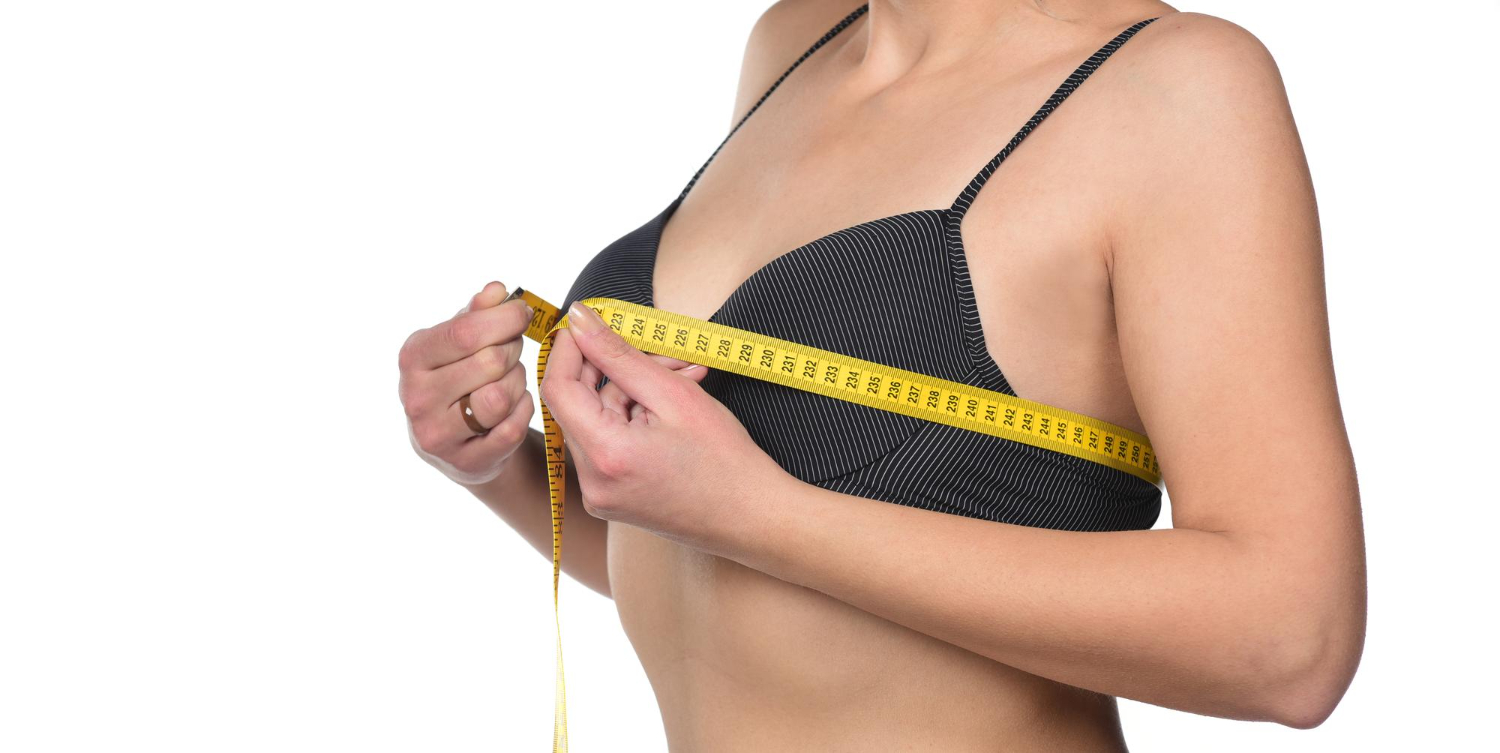
It’s a big decision to consider getting breast implants, and understanding the recovery process is equally crucial. Following surgery, recovery is a process that requires patience, care, and time. But don’t worry, we’re here to guide you! This week-by-week recovery guide will help you understand what to expect and how to take care of yourself along the way. This will provide you with a clear picture of what recovery entails, regardless of whether you have already had the surgery or are just considering breast augmentation in Dubai. Embarking on the journey of breast augmentation requires more than just the surgical procedure; it also involves a significant recovery phase. This time frame is essential for getting the best results and guaranteeing that you will be happy with your new appearance in the long run. Let’s delve deeper into what the recovery entails.
What is Breast Augmentation Recovery?
The recovery process after breast augmentation surgery in Dubai is as much a physical journey as it is an emotional one. During this time, patients often experience a mix of excitement about their new appearance and anxiety about the healing process. Recovery must be approached patiently and diligently, with careful attention to your body’s cues and strict adherence to medical advice. In this stage, aftercare is crucial. To promote healing, the breast region needs to be handled gently and with special attention. Both the overall satisfaction with the procedure and the aesthetic results of the surgery can be greatly impacted by the recovery process. In addition to improving the physical transformation, a successful recovery increases self-esteem and confidence.
Breast Augmentation Recovery Timeline
Anyone having breast augmentation can greatly benefit from knowing the recovery period. Setting reasonable goals and getting ready for the journey ahead can be aided by knowing what to anticipate each week and how the breast augmentation scars will heal.
First 24 Hours
Patients usually feel sleepy in the first few hours after breast implant surgery in Dubai as the anesthesia wears off. During this period, rest is not only advised but also necessary. In order to reduce swelling and give the newly augmented breasts the support they need, surgeons typically advise patients to wear a supportive surgical bra. It is highly recommended to have a companion during this period. Assistance with basic tasks and monitoring for any immediate post-operative complications may be necessary. Prescription drugs will keep you comfortable during this time, and pain management is also very important. Rest and hydration are your best friends in these first 24 hours.
One Week Post-Surgery
As you transition into the first week post-surgery, swelling and bruising around the breasts may still be present but should begin to subside. To increase circulation and avoid stiffness, light activities like quick walks are usually advised. You will need to see your surgeon again during this week to track the progress of your recovery. Depending on how your body is healing, sutures may be removed during this time. It’s important to communicate openly with your surgeon about any concerns you might have. Remember, a good recovery from breast enlargement in Dubai requires patience and adherence to your surgeon’s advice.
Two Weeks Post-Surgery
Many patients report feeling less swollen and uncomfortable by the second week. People can often return to non-strenuous work during this time, but only with the surgeon’s consent. However, heavy lifting and strenuous activities should still be avoided to prevent any setbacks in the healing process. The breasts will continue to settle into their new shape, and while they may not appear completely natural yet, progress is being made. During this time, scars will begin to appear, so keep an eye out for them. Wearing the suggested supportive clothing is crucial, as is avoiding any hazards that could hinder healing.
Three Weeks Post-Surgery
Most patients feel much more at ease and mobile by the third week. Gentle exercises, such as walking, can be increased slowly, but it’s crucial to listen to your body and not push too hard. The risk of infection decreases during this time, but incision care remains a priority. Swelling will continue to diminish, and you’ll start seeing more of the results you anticipated. It’s a good time to note any changes and discuss them with your surgeon if needed. Rest is still important, but you can gradually return to more of your normal activities as you feel ready.
Four Weeks Post-Surgery
Many patients discover that, with the exception of high-impact exercises, they can resume the majority of their regular activities as the one-month mark draws near. Over time, the breasts will continue to soften, though they may still feel a little firm. Regular follow-ups with your surgeon will help ensure everything is progressing smoothly. At this point, the appearance of the breasts usually becomes more natural. It’s important to continue following your surgeon’s advice and wearing supportive bras as needed. Keep in mind that everyone’s recovery period is different, and it’s not unusual for some to take a bit longer to feel completely back to normal.
What to Do and Avoid While Recovering from Breast Augmentation
To recover smoothly, it’s important to know what helps healing and what might slow it down. Here are some key do’s and don’ts to keep in mind.
Do’s
First and foremost, adhere to the post-operative care instructions given by the best breast augmentation surgeon in Dubai diligently. A successful recovery depends on adhering to these recommendations. Keep all your follow-up appointments, as they allow the surgeon to monitor your progress and address any concerns that may arise. Maintaining a healthy diet supports the body’s natural healing processes. Nutrient-rich foods provide the necessary building blocks for recovery. Wearing the suggested supportive clothing, like a sports bra, around-the-clock also helps to minimize swelling and speed up the healing process after breast augmentation surgery.
What you Should Avoid
Avoid smoking or consuming alcohol, as these habits can impede the healing process and increase the risk of complications. Refrain from lifting heavy objects or engaging in high-impact activities until you are fully healed to prevent strain on the chest area. It’s also important to steer clear of exposing scars to direct sunlight. Sun exposure can darken the scars and affect their appearance. A successful healing process is ensured by protecting the breast implants and adhering to these recommendations.
Red Flags During Recovery
Even though the majority of recoveries go without a hitch, it’s crucial to recognize the warning signs of potential problems.
Signs to Watch Out For
Excessive swelling or severe pain that doesn’t subside with prescribed medication may indicate complications and should prompt immediate consultation with your surgeon. Fever or chills could signal an infection, requiring prompt medical attention. Unusual discharge from the incision site is another red flag that warrants a quick visit to your surgeon. It’s also critical to have your healthcare provider examine your breasts if you observe any asymmetry or hardening. Regular monitoring and open communication with your surgeon are key to identifying and addressing any issues early on.
Pain and Discomfort Management
Effective pain management is essential to the healing process and guarantees a more comfortable experience.
Tips for Managing Pain
Pain can be greatly reduced by taking prescription painkillers as prescribed. Cold compresses placed on the chest muscle area can help reduce swelling and provide relief. Gentle movements and light walking are encouraged to alleviate stiffness and promote circulation. Getting enough sleep is crucial for reducing discomfort and accelerating recovery. It’s important to find a balance between activity and rest to optimise recovery time. Listening to your body and taking breaks when needed will aid in managing discomfort effectively.
Caring for Surgical Incisions
In order to avoid complications and encourage a quick healing process, surgical incisions must be properly cared for. To prevent infection, it is essential to clean the incision site gently with mild soap and water as directed. Applying any prescribed ointments or dressings will aid in the healing process and protect the surgical site. Wait until your surgeon gives the all-clear before immersing the incision in water. During the initial phases of recovery, baths, pools, and hot tubs are prohibited. Monitoring the incisions for any signs of infection or unusual changes is essential for addressing potential issues promptly.
Timeline for Returning to Normal Activities after Breast Augmentation Surgery
An essential component of the healing process is knowing when and how to return to regular activities. A few weeks after surgery, the majority of patients are able to return to light activities. Depending on your unique healing process and the nature of your job, returning to work usually happens after one to two weeks. When it’s safe to return to work, it’s crucial to heed your surgeon’s advice. Before they can be safely resumed, high-intensity exercises typically need a six-week recovery period. Around the two-month mark, all activities, including high-impact workouts, are usually fully resumed. To avoid any setbacks during this time, patience and caution are essential.
Book Your Complimentary Consultation Today!
Dr. Vikesh Vij offers every client a free consultation with an expert, widely regarded as one of the best breast augmentation surgeons in Dubai. The consultation is an opportunity to discuss any concerns you have, the results you want to achieve, whether surgery can help you reach those goals, and the breast augmentation cost in Dubai. They will carefully consult with you to determine the best course of action for achieving your objectives. You will always receive an honest and unbiased professional opinion from Dr. Vikesh Vij.
FAQs
How does recovery progress over the first month?
Recovery generally improves steadily week by week. In the first week, swelling and bruising begin to subside, light walking is encouraged, and your surgeon may remove sutures during a follow-up visit. By week two, many patients feel comfortable enough to return to non-strenuous work with their surgeon's approval, though heavy lifting should still be avoided. By week three, mobility improves further and infection risk decreases, though incision care remains important. By the four-week mark, most regular activities can resume, excluding high-impact exercise, and the breasts typically begin to look and feel more natural.
What should I do — and avoid — during recovery?
Follow your surgeon's post-operative instructions closely, attend all follow-up appointments, eat a nutrient-rich diet, and wear supportive clothing as recommended to help minimize swelling. On the other hand, avoid smoking and alcohol, since both can slow healing and increase complication risk. Steer clear of heavy lifting or high-impact activity until you're fully cleared, and protect your scars from direct sunlight, as sun exposure can cause them to darken.
What warning signs should prompt me to contact my surgeon?
Reach out promptly if you experience excessive swelling, severe pain that doesn't improve with prescribed medication, fever or chills, unusual discharge from the incision site, or noticeable asymmetry or hardening in the breast. These can indicate complications that need medical attention, and catching them early helps ensure a smoother recovery.
When can I return to work and normal activities?
Timing varies depending on your job and how you're healing, but most patients return to light activities within a few weeks and to work within one to two weeks, depending on their surgeon's guidance. High-intensity exercise usually requires waiting about six weeks, with most patients fully resuming all activities, including high-impact workouts, around the two-month mark. Being patient and following your surgeon's advice during this period helps protect your results and avoid setbacks.
Related Blogs
How to Choose a Plastic Surgeon in Dubai: Qualifications, Safety and Questions to Ask
Can Liposuction Remove Belly Fat Permanently? What Happens if You Gain Weight Again?
Types of Breast Lift: Crescent, Donut, Lollipop and Anchor Compared
Breast Augmentation Myths: Is a Boob Job Worth It?