Home / Blog / Breast Augmentation Aftercare Q&A: Top Aftercare Questions, Answered
Breast Augmentation Aftercare Q&A: Top Aftercare Questions, Answered
August 19, 2026
Written by: Dr. Vikesh Vij Editorial Team Medically reviewed by: Dr. Vikesh Vij
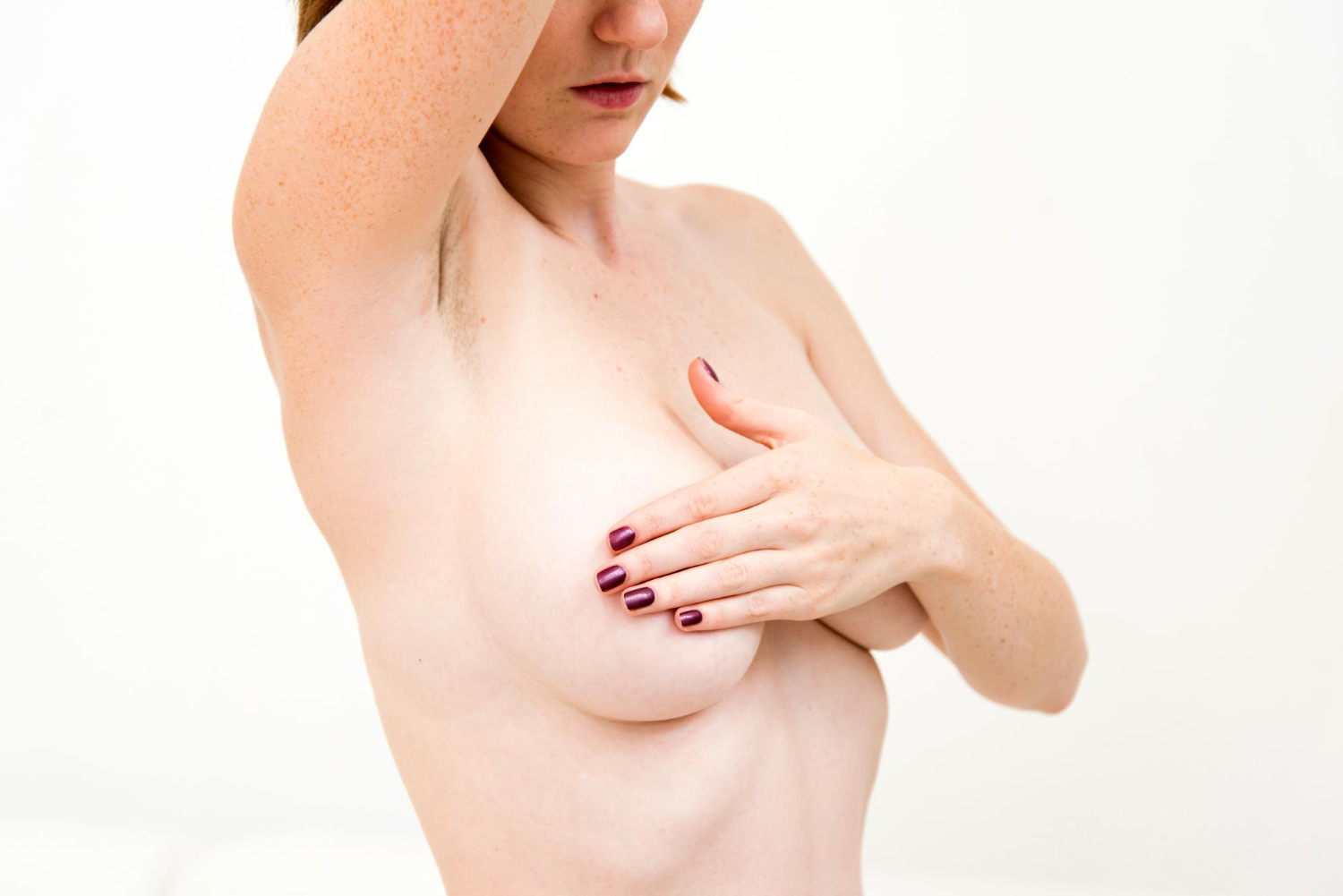
Thinking about breast augmentation in Dubai or just home from theatre? This is a practical question. Everybody recovers differently, so always follow your surgeon’s recommendations. And if you’re unsure, message our nursing team—no inquiry is too small.
At-a-Glance Recovery Timeline
- Day 0–2: Rest, small indoor walks, keep dressings dry. Always wear your support or surgery bra. Sleep with a small elevation.
- Week 1–2: By the end of week two, many desk-based patients return to work.
- Week 2: Short, careful driving if you’re pain-free, off heavy medicines and fully in control.
- Weeks 3–4: Gentle lower-body cardio; still no chest/HIIT.
- Weeks 6–12: Gradual return to full exercise, with chest and HIIT training reintroduced later once cleared.
Q&A — The First 48 Hours
What will pain feel like and how do I manage it?
Discomfort is usually more soreness than sharp pain, spread across the chest. Take recommended pain treatment often (don’t wait until you’re very sore), sip water often, and choose light meals. Gentle shoulder rolls and brief, frequent walks promote circulation.
How should I sleep?
Semi-upright with 2–3 pillows helps swelling and comfort. Side-sleeping usually becomes comfortable a little later—wait for your review or when it feels natural and you’ve been told it’s fine.
Can I shower? What about dressings?
Until you are given the all-clear, keep dressings dry. When taking a shower, let the water run slowly, pat dry with a fresh towel, and refrain from bathing or soaking until wounds are closed.
I feel dizzy or nauseous after anaesthesia—is that normal?
Quite prevalent on day one. Rest, drink plenty of water, and limit your intake to bland meals. Staying hydrated and getting adequate rest usually helps these symptoms settle within a day.
Dr. Vikesh Vij advises: “Stay ahead of discomfort, keep moving little and often, and prioritise hydration—it’s simple but powerful.”
Q&A — Week 1 to 2 Essentials
Which post-op bra should I wear—and how snug is ‘snug’?
Choose a non-wired, supportive breast augmentation surgery Dubai post-op or sports bra that holds you firmly but not cruelly. Many patients buy two so one is constantly clean. We’ll guide sizing and styles at your consultation.
When can I drive or go back to work?
Drive only when you’re pain-free, off strong analgesia, and can perform an emergency stop confidently. Desk roles often resume around 1–2 weeks; manual work needs longer—ask us for a tailored plan.
What redness or swelling is expected?
Mild-to-moderate swelling, bruising and warmth are typical early on. Escalating pain, spreading redness, foul discharge or fever are not—call us.
Can I lift children or heavy shopping?
Keep lifting minimal initially. If you must, bend your knees, keep items close to your body, and avoid sudden twisting.
Do / Don’t (Week 1–2)
- Do: short walks, sleep propped up, keep bras on 24/7, take meds on time.
- Don’t: soak wounds, lift heavy items, sleep on your front, resume chest workouts.
Q&A — Weeks 3 to 6: Returning to Life
When can I return to the gym?
Start with lower-body cardio (bike, incline walk). Avoid high-impact/chest work until cleared—often 4–6 weeks. Build up gradually to protect your breast implant surgery Dubai result.
When can I wear an underwired bra?
Typically after 6–8 weeks once tissues have settled and you’re comfortable—wait for your surgeon’s green light.
What actually helps scars?
Once wounds are closed and you’re approved to start: silicone gel/sheets, gentle scar massage, and SPF 50 on healing skin. Consistency matters more than fancy creams.
Can I fly, swim, or use saunas/steam rooms?
Short-haul flights are often fine after early reviews if you feel well (wear your support bra, hydrate, walk the aisle). Pools, hot tubs, saunas and steam rooms must wait until wounds are fully healed to avoid infection.
Q&A — Long-Term Results & “Drop & Fluff”
How long until implants look and feel natural?
Expect steady change over 6–12 weeks as muscles relax and swelling eases (“drop & fluff”). Final refinement can take a few months—be patient with your body.
What about nipple/skin sensation?
Temporary changes—either reduced or heightened—are common and usually improve with time. Tell us if anything worries you.
Do I need check-ups or future imaging?
You’ll have scheduled reviews with our clinic. Longer term, follow the device-specific guidance provided at your consultation. Any sudden change in shape or feel—contact us promptly.
Dr. Vikesh Vij advises: “Think in weeks, not days. Small, consistent habits—good bra use, gentle activity, scar care—compound into great outcomes.”
Medicines, Supplements & Lifestyle
Which medicines or supplements should I avoid?
Follow your pre-op plan regarding blood-thinning painkillers or herbal supplements. When in doubt, ask us before starting anything new.
Alcohol, smoking and vaping—do they matter?
Yes. Nicotine reduces blood flow and healing quality; alcohol can aggravate bruising and interact with meds. Abstain as advised for the best outcomes.
Constipation from painkillers—what helps?
Hydration, fibre-rich foods, short walks, and a pharmacist-recommended stool softener if needed.
Complications & Red Flags (Act Fast)
- Sudden, one-sided swelling or a tense, painful breast
- Fever ≥38°C, spreading redness, foul-smelling discharge
- Shortness of breath or chest pain
- Wound opening or uncontrolled bleeding
Action: Call Dr. Vikesh Vij aftercare line immediately. If severe, seek urgent/emergency care.
Prep & Comfort Checklist
- 2× non-wired post-op/support bras
- Extra pillows for sleeping semi-upright
- Loose, front-fastening tops
- Easy, nutritious meals + large water bottle
- Paracetamol (as advised) and prescribed meds
- Silicone gel/sheets (start only when cleared)
Dr. Vikesh Vij Aftercare Pathway
- Day 1–2: Nurse phone check
- Week 1: Dressing review with nurse
- Week 2–3: Nurse-led review; activity/bra check
- Week 6–8: Consultant review; clearance for exercise/underwires (if suitable); results review and photographs
- 3–6 months: Consultant review, if required
Dr. Vikesh Vij says: “If something feels off, call us early. Reassurance or prompt advice keeps recovery smooth.”
Need personalised advice?
If your plan differs, follow the guidance of the best breast augmentation surgeon in Dubai, Dr. Vikesh Vij—it’s customised to your surgery. Questions after reading? Book a consultation with Dr. Vikesh Vij for one-to-one guidance on your recovery.
FAQs
What are the key do's and don'ts during week 1–2?
Do take short walks, sleep propped up, wear your support bra around the clock, and take medication on schedule. Don't soak your wounds, lift heavy items, sleep on your front, or resume chest workouts. A snug, non-wired post-op or sports bra is recommended, and many patients find it helpful to have two so one is always clean. Driving should wait until you're pain-free, off strong painkillers, and confident performing an emergency stop.
When can I return to exercise and normal activities?
Desk-based work often resumes around one to two weeks, while manual jobs typically need longer. Lower-body cardio like cycling or incline walking can usually start within a few weeks, but high-impact or chest exercises should wait until cleared, often around four to six weeks. Underwired bras are generally introduced after six to eight weeks once tissues have settled. Full exercise, including chest and HIIT training, is gradually reintroduced over weeks six to twelve.
How should I care for scars, and when will results look natural?
Once wounds are fully closed and you're approved to begin, silicone gel or sheets, gentle scar massage, and SPF 50 on healing skin can support scar appearance — consistency matters more than product choice. Implants typically go through a "drop and fluff" process over six to twelve weeks as muscles relax and swelling eases, with final refinement continuing over a few months. Temporary changes in nipple or skin sensation are common and usually improve with time.
What warning signs need urgent medical attention?
Contact your care team promptly if you notice sudden one-sided swelling, a tense or painful breast, fever of 38°C or higher, spreading redness, foul-smelling discharge, wound opening, or uncontrolled bleeding. Shortness of breath or chest pain should be treated as an emergency. Lifestyle factors also matter during recovery — smoking and alcohol can both interfere with healing, so it's best to avoid them as advised, and staying hydrated with fibre-rich foods can help manage constipation from pain medication.
Related Blogs
How to Choose a Plastic Surgeon in Dubai: Qualifications, Safety and Questions to Ask
Can Liposuction Remove Belly Fat Permanently? What Happens if You Gain Weight Again?
Types of Breast Lift: Crescent, Donut, Lollipop and Anchor Compared
Breast Augmentation Myths: Is a Boob Job Worth It?