Home / Blog / Blepharoplasty Recovery: What To Expect After Eyelid Surgery
Blepharoplasty Recovery: What To Expect After Eyelid Surgery
September 7, 2026
Written by: Dr. Vikesh Vij Editorial Team Medically reviewed by: Dr. Vikesh Vij
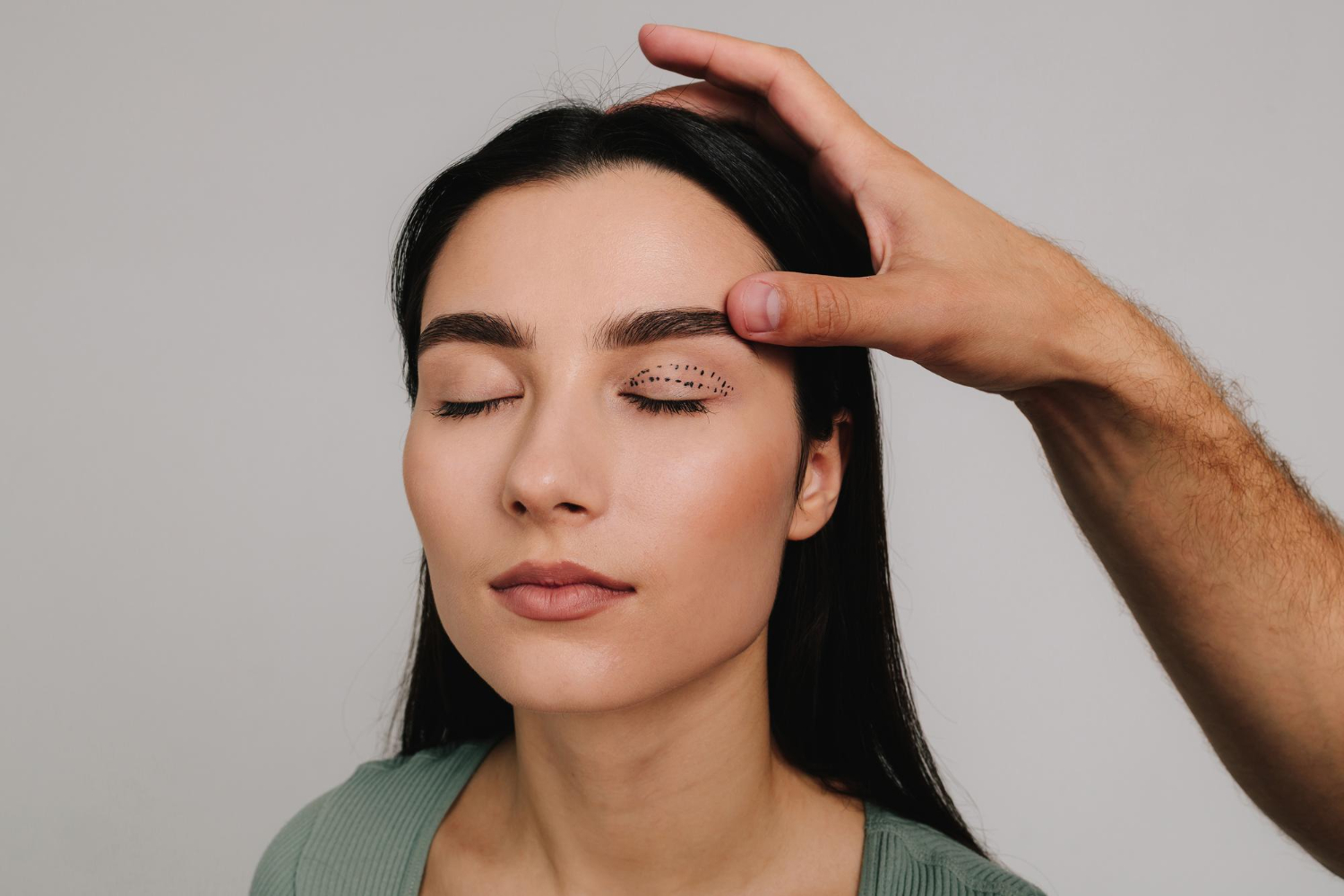
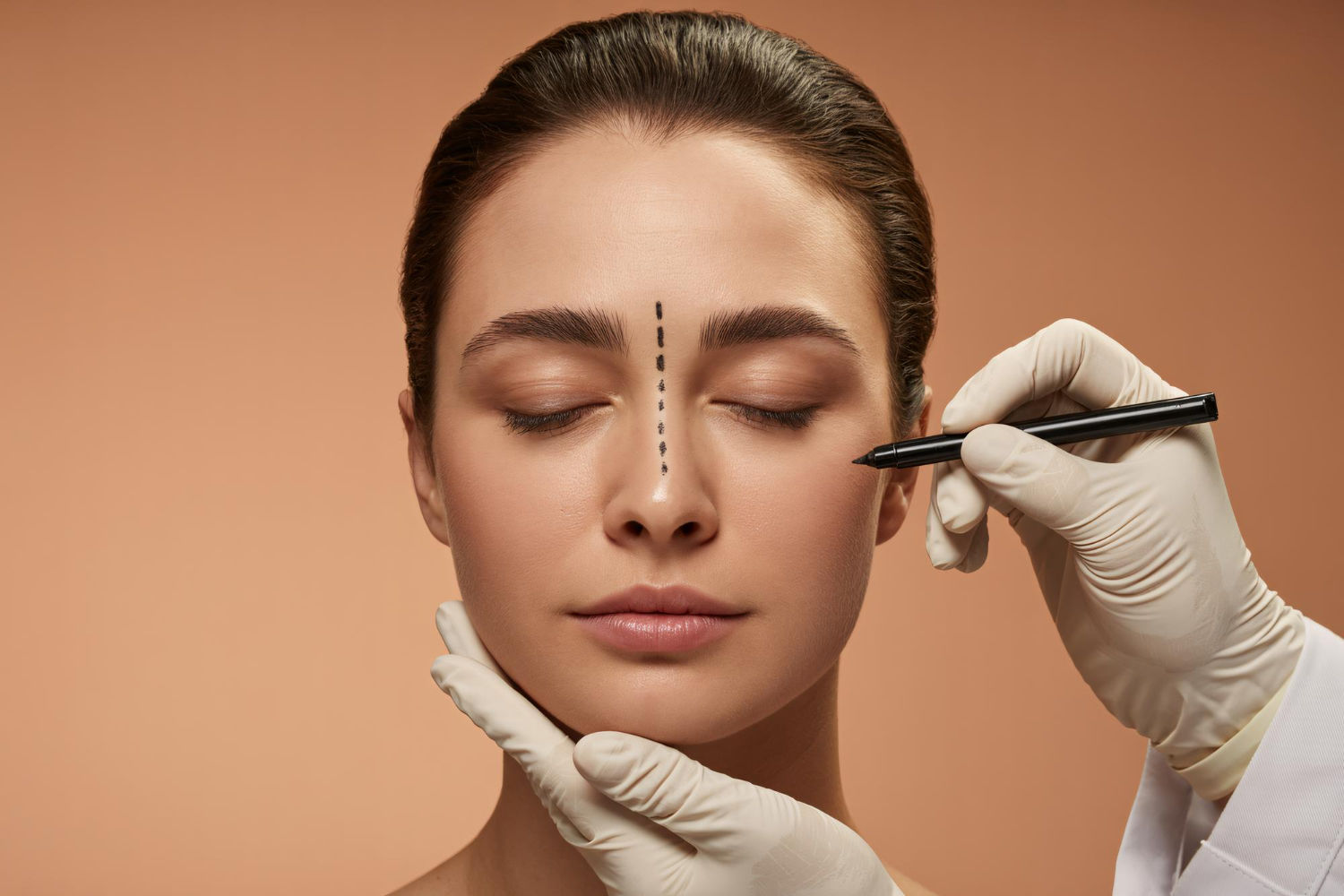
One of the most typical questions raised during Blepharoplasty in Dubai consultations is about the recovery process. Understandably, people are typically nervous about it, especially if it is their first time having any type of cosmetic surgery. Knowing what to expect before an upper blepharoplasty or lower eyelid treatment can make a significant difference in how you feel about it. This blog is intended to offer you a clear picture of what the rehabilitation process looks like. Dr. Vikesh Vij discusses what’s typical, what to watch out for, and what you can do to assist things along. You’ll find a week-by-week roadmap, some pointers Dr. Vikesh Vij provides to all of his patients, and advice on how to return to regular life safely and with confidence.
How Long Is the Recovery from Blepharoplasty?
The recovery from blepharoplasty is largely determined by whether the upper or lower eyelids are operated on. Upper eyelid surgery in Dubai typically results in a smooth and speedy recovery. Dr. Vikesh Vij usually tells his patients to expect one week before the stitches come out and at least two weeks of bruising. Most people will not notice if you have had anything done after two weeks. Lower eyelid surgery in Dubai, on the other hand, may take longer to recuperate since it is more likely to induce temporary dry eyes and eye irritation. Eye drops are more likely to be necessary to lubricate the eyes for several weeks following lower blepharoplasty surgery, and depending on the technique and approach used for your lower eyelids, the recovery time may be lengthier. Most people can return to work one to two weeks after an upper blepharoplasty, however Dr. Vikesh Vij usually recommends a minimum of two weeks off following lower blepharoplasty.
Blepharoplasty Recovery Timeline: Week-by-Week Healing Overview
The following is a guide that most individuals may find useful after eyelid lift Dubai surgery to understand what to expect during recuperation and resuming normal activities:
Day 1–3: Immediate Post-Surgery Effects
Swelling, stiffness, and bruising are all to be expected after surgery. Bruising may not show immediately after surgery and may appear the next day or later. Vision can be slightly obscured, especially with some of the thicker, more viscous eye drops, and there may be discomfort, especially following lower eyelid surgery. Discomfort and irritation might occur in the eyes, as well as in the outside corners of the eyes, as a result of supportive internal stitches. People can find bright lights uncomfortable at first, so my standard advice is to put cool pads on your eyes, relax in a quiet area, and listen to your favorite audiobook or radio station.
We usually prescribe codeine for lower blepharoplasty surgery, although paracetamol and ibuprofen perform well for upper blepharoplasty surgery. The painkillers are given for a few days, and most patients are able to discontinue them two or three days after the surgery. During this period, we generally recommend sleeping with your head slightly elevated to help reduce swelling. It’s interesting to note that swelling from upper eyelid surgery can also cause swelling and bruising of the lower eyelids.
Day 4–7: Early Healing Signs
Small scabs will grow over the stitch lines in the coming days, and your eyes will undoubtedly become puffy and inflamed. Sometimes the eyes feel a touch tight, and following lower eyelid correction in Dubai, they can even be pulled up at the corners. This is natural, and all of these symptoms will subside as the body heals. Stitches are usually removed a week after surgery. We recommend that you avoid excessive activities during this time because they can cause swelling and perhaps postoperative hemorrhage.
Week 2–4: Reduced Swelling and Visible Results
By the time you reach two weeks following upper blepharoplasty surgery, the swelling will have subsided dramatically, and you will be able to resume socializing and working. However, there will be some residual swelling that will take another one to two months to resolve. This is fairly subtle and not particularly obvious. Those who had eye bag removal surgery in Dubai as part of a lower eyelid procedure may take longer to recover, and even after two to three weeks, you may still experience eye irritation, require eye drops, and feel as if things have not settled down completely. The lower eyelids may remain appearing red and bloodshot after surgery, as if you have an allergy or hay fever. This will normalise over the next several weeks, and cosmetics can be worn approximately two weeks after surgery, as long as it does not get into your eyes. Patients who chose the best eyelid surgery in Dubai for their needs typically find that swelling settles predictably within this window. Dr. Vikesh Vij advises against any sporting activity or exercise for at least a month after surgery, as it will just help to exacerbate swelling and may set you back a step or two if done too soon.
Week 6 and Beyond: Final Results
Results can only be determined after 6 to 12 months, when the swelling has subsided, the scars have softened, lost their pinkness, and begun to mature. Many patients enjoy comparing their blepharoplasty before and after Dubai photos at this stage to appreciate how far they’ve come. Maintenance and long-term additional treatments can significantly improve and extend the longevity of the benefits of blepharoplasty surgery. The most efficient adjunctive blepharoplasty treatment is performed with a neurotoxin, also known as a neuromodulator, a medication that weakens the muscle movement around the eyes. In addition, medical-grade skin care or other resurfacing procedures that improve skin quality around the eyes will be beneficial.
Tips to Speed Up Blepharoplasty Healing
There are several things you may do to speed up your blepharoplasty recovery in Dubai and reduce edema. Simple solutions include sleeping upright and limiting eye exposure by avoiding excessive screen time, which includes mobile phones, televisions, and computer screens. Cold compresses or cool packs on the eyes can also be quite calming and help to reduce swelling quickly. Staying hydrated and eating a balanced and healthy diet are essential components of a successful recovery. Manual lymphatic drainage massage is another option, especially for lower eyelid surgery, to assist reduce edema.
What Are Normal vs. Concerning Side Effects?
Any operation has some risk, and while we anticipate a variety of side effects such as bruising, swelling, infection, blurry eyes, and dry eyes, there are some warning signals that you should be aware of and call me or the clinic as soon as possible if you see them. These include abrupt and severe pain, major swelling, especially if it is on one side but not the other, alterations in vision, significant disparities between the left and right eyes, and any bleeding that does not stop on its own. There are many easy interventions that may be performed to treat any complication following eyelid correction surgery, but it is sometimes necessary to return to the operating room and ensure that the complication is addressed promptly and effectively. We always highlight the need of getting in touch as soon as possible, and we are always available following your procedure.
Complications or difficulties may not occur until several weeks after surgery. Lower eyelid surgery is most usually associated with lid malposition or ectropion. These words refer to a lower eyelid that is not in the proper position, either because it has drooped or because it is distracted and not adherent to the eyeball. This can induce inflammation and irritation, known as chemosis, in the eye, resulting in itching, discomfort, and excessive watering. Massage and tape can sometimes treat this without the need for surgery, but if the lower eyelid is not seated properly, additional surgery may be required. This is why visiting post-operative checkups is critical for regular periodic checks to ensure your recovery is progressing properly.
When Can You Return to Normal Activities After Eyelid Surgery?
We all have busy lives, and returning to your usual routine and daily life is critical after this eyelid lifting procedure in Dubai. However, it is critical not to rush things because this might be a false economy, and you could find yourself back in the recovery process. Driving can often begin approximately two weeks after surgery, perhaps sooner, but not when the eyelid stitches are still in place. Most people may return to work after two weeks, but getting back to the gym requires four to six weeks. Contact lenses should be avoided for about a month after surgery, and makeup can be worn for about two weeks after that. However, because the eyelashes and areas around the eyelids might be rather numb following surgery, extra caution should be exercised when applying mascara or eyeliner.
Choosing a Trusted Blepharoplasty Surgeon in Dubai
At his blepharoplasty clinic in Dubai, Dr. Vikesh Vij sees patients for blepharoplasty and other facial rejuvenation procedures. When you meet with one of the best blepharoplasty surgeons in Dubai to discuss the procedure, you should feel confident in their experience with the treatment and be able to view a variety of before and after images of other patients they have operated on. You should feel comfortable and free to ask them a variety of questions regarding their results, method, and previous issues during your blepharoplasty consultation in Dubai. While the surgery is obviously important, dealing with difficulties and ensuring you receive high-quality aftercare is equally essential. Nursing care, potentially a lymphatic drainage therapist, and follow-up sessions with your plastic surgeon are all part of the post-operative treatment.
FAQs
How long does bruising last?
Bruising after upper or lower eyelid surgery should continue at least two weeks, although it can take up to a month to subside.
Will I have scars?
Upper eyelid surgery causes scarring along the upper eyelid crease, which commonly extends into the crow's feet. Lower blepharoplasty scars typically lay just below the eyelash line and extend into the crow's feet. Lower eyelid surgery can sometimes be performed from the inside of the eyelid, known as trans-conjunctival blepharoplasty, which leaves no externally visible scars.
Can I speed up healing naturally?
Arnica can help speed up the healing process organically. In addition, staying hydrated and drinking enough water will assist.
What's the main difference between upper and lower blepharoplasty recovery?
Upper eyelid surgery generally heals faster and more predictably, with stitches typically removed after about a week and most visible signs fading within two weeks. Lower eyelid surgery tends to take longer, often involving temporary dry eyes, irritation, and redness that can persist for a few weeks, along with a longer recommended break from work. Understanding this distinction helps set realistic expectations depending on which procedure, or combination, you're having.
When can I get back to exercise and the gym after eyelid surgery?
While light activity and short walks are generally fine early on, more strenuous exercise and gym sessions are usually best avoided for about four to six weeks after surgery. Jumping back into intense activity too soon can worsen swelling and potentially set your healing back, so it's worth being patient even once you're feeling back to normal in other areas of daily life.
Is it normal for lower eyelids to look red or irritated for a while?
Yes, this is a common and expected part of lower eyelid healing. The area can appear red or bloodshot, almost like an allergic reaction, for several weeks as swelling and irritation gradually settle. Using prescribed eye drops as directed and avoiding excessive screen time can help manage discomfort during this period, and the redness typically resolves on its own without intervention.
What's the difference between how upper and lower eyelid scars look afterward?
Upper eyelid scars typically sit within the natural eyelid crease and often extend slightly into the crow's feet, making them easy to conceal. Lower eyelid scars usually sit just below the lash line, though some techniques — like trans-conjunctival blepharoplasty — are performed from inside the eyelid and leave no visible external scarring at all. Which approach is suitable depends on your specific anatomy and goals, best discussed during a consultation.
What signs suggest a complication with the lower eyelid specifically?
One condition to watch for is lid malposition, sometimes called ectropion, where the lower eyelid sits too low or pulls away from the eye rather than sitting snugly against it. This can cause irritation, watering, and discomfort, and while some cases respond to massage or taping, others may need further correction. Attending all scheduled follow-up appointments is important, since this type of issue can sometimes develop weeks after the original surgery rather than immediately.
Related Blogs

How to Choose a Plastic Surgeon in Dubai: Qualifications, Safety and Questions to Ask
Can Liposuction Remove Belly Fat Permanently? What Happens if You Gain Weight Again?
Types of Breast Lift: Crescent, Donut, Lollipop and Anchor Compared
Breast Augmentation Myths: Is a Boob Job Worth It?