Home / Blog / Breast Augmentation Myths: Is a Boob Job Worth It?
Breast Augmentation Myths: Is a Boob Job Worth It?
September 21, 2026
Written by: Dr. Vikesh Vij Editorial Team Medically reviewed by: Dr. Vikesh Vij
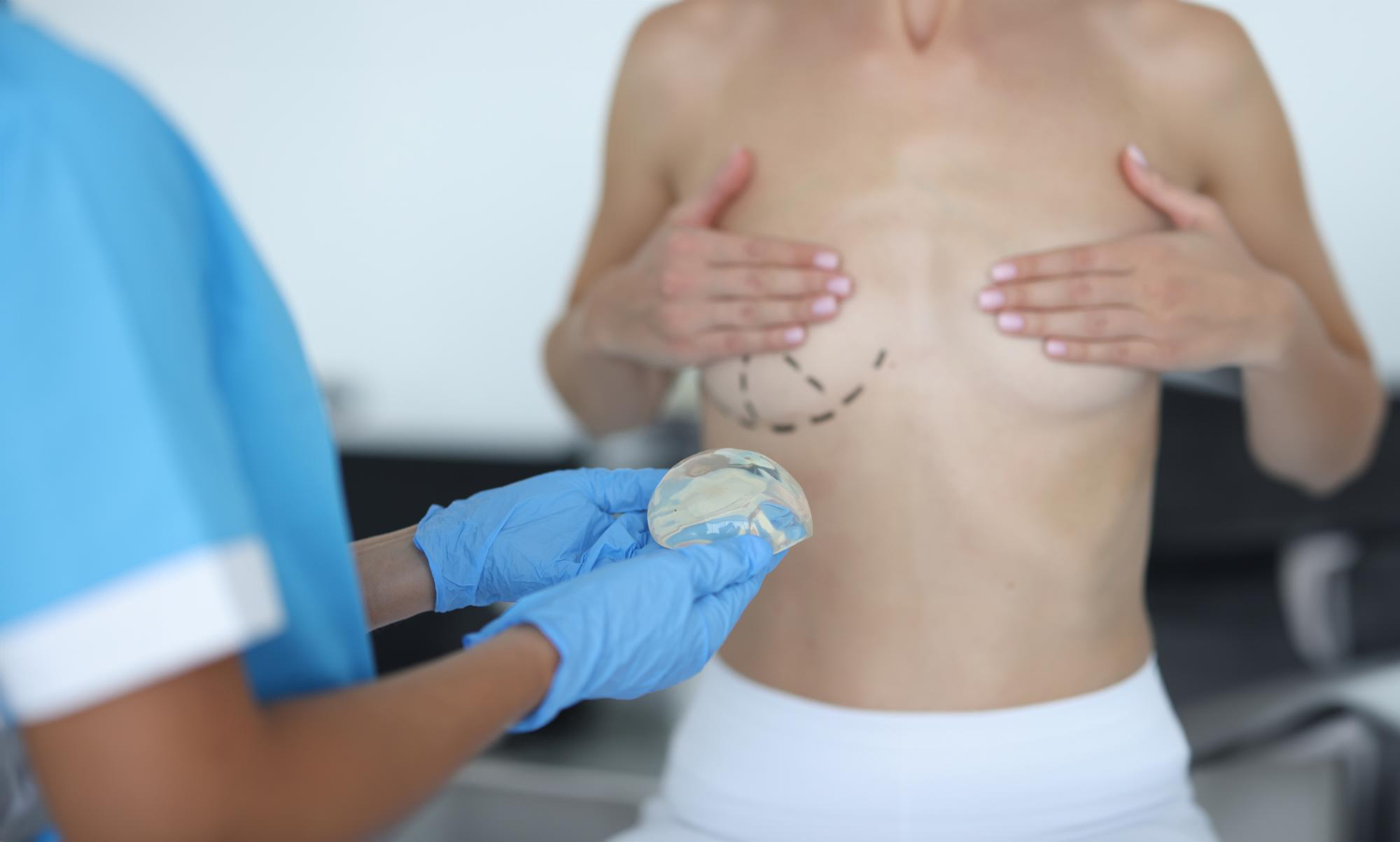
Breast augmentation in Dubai, or “boob job,” is the most popular cosmetic surgery procedure in the city. However, it is surrounded by conflicting information and persistent myths, making it difficult to determine whether it is the best choice for you. This guide accomplishes two goals: it dispels the most common myths about breast implants and addresses the question that many women want answered: is a boob job really worth it? We discuss the benefits, honest risks, costs, recovery, suitability, and how to make an informed decision. Dr. Vikesh Vij performs several augmentation and fat transfer procedures.
Is a Boob Job Worth It?
Whether breast augmentation is “worth it” is a personal decision, but it helps to honestly weigh the practical considerations against the benefits.
Breast implants are not typically covered by private medical insurance, so they must be paid for out of pocket. Most women take at least one week off work and must carefully follow post-operative instructions. It’s also a long-term commitment; while modern implants don’t have a set lifespan, they may require maintenance years down the road. These are real factors to consider before making a decision.
The benefits: The most frequently reported outcome is a significant increase in self-confidence and emotional well-being. Many women who have felt self-conscious about small or deflated breasts, often as a result of weight loss, pregnancy, or breastfeeding, say that breast augmentation was one of the best decisions they’ve ever made. Women value a fuller shape, better proportions, and clothing and swimwear that fits them comfortably without the need for push-up bras or padding. Breast augmentation has also become more affordable and safer than it was 20 years ago, with recovery times typically allowing for a return to most activities in a week.
In comparison to many other elective procedures, research consistently shows that breast augmentation has very high satisfaction rates. But it’s important to understand why: the women who report being the happiest were motivated from within — they wanted the change for themselves — rather than those who felt pressured by a partner or by comparison to others. Breast implants are not a cure-all for deeper body dissatisfaction and should not be viewed as a solution for anything other than the breasts. Realistic expectations are the single most important predictor of a happy outcome.
Who Is a Suitable Candidate?
The best candidates for breast augmentation are in good physical and mental health, at or near their ideal body weight, non-smokers (or willing to quit), and have a realistic understanding of the procedure’s potential outcomes. Your suitability is determined during a face-to-face consultation with a specialist breast surgeon, who conducts a thorough clinical evaluation. Augmentation is appropriate for women of all ages, including those in their twenties and over the age of forty, as long as their overall health is good. The breasts should also be fully developed, which is why the procedure is not available to those under the age of 18.
Do Breast Implants Look Natural?
This is one of the most common and valid concerns. The key to a natural result is consultation and selecting the appropriate implant for your body frame — size, shape, profile, and placement that are all tailored to your anatomy. When properly chosen, modern implants rarely appear “fake.” Dr. Vikesh Vij’ philosophy is to produce results that are natural and harmonious with your body’s contours, so that most patients do not appear to have undergone surgery at all. Choosing an implant proportionate to your frame, rather than the largest possible, is usually the difference between a natural and obviously augmented appearance.
Common Myths About Breast Augmentation
There is a lot of misinformation online. Here are the most common myths and facts.
“Breast implants are dangerous” — MYTH
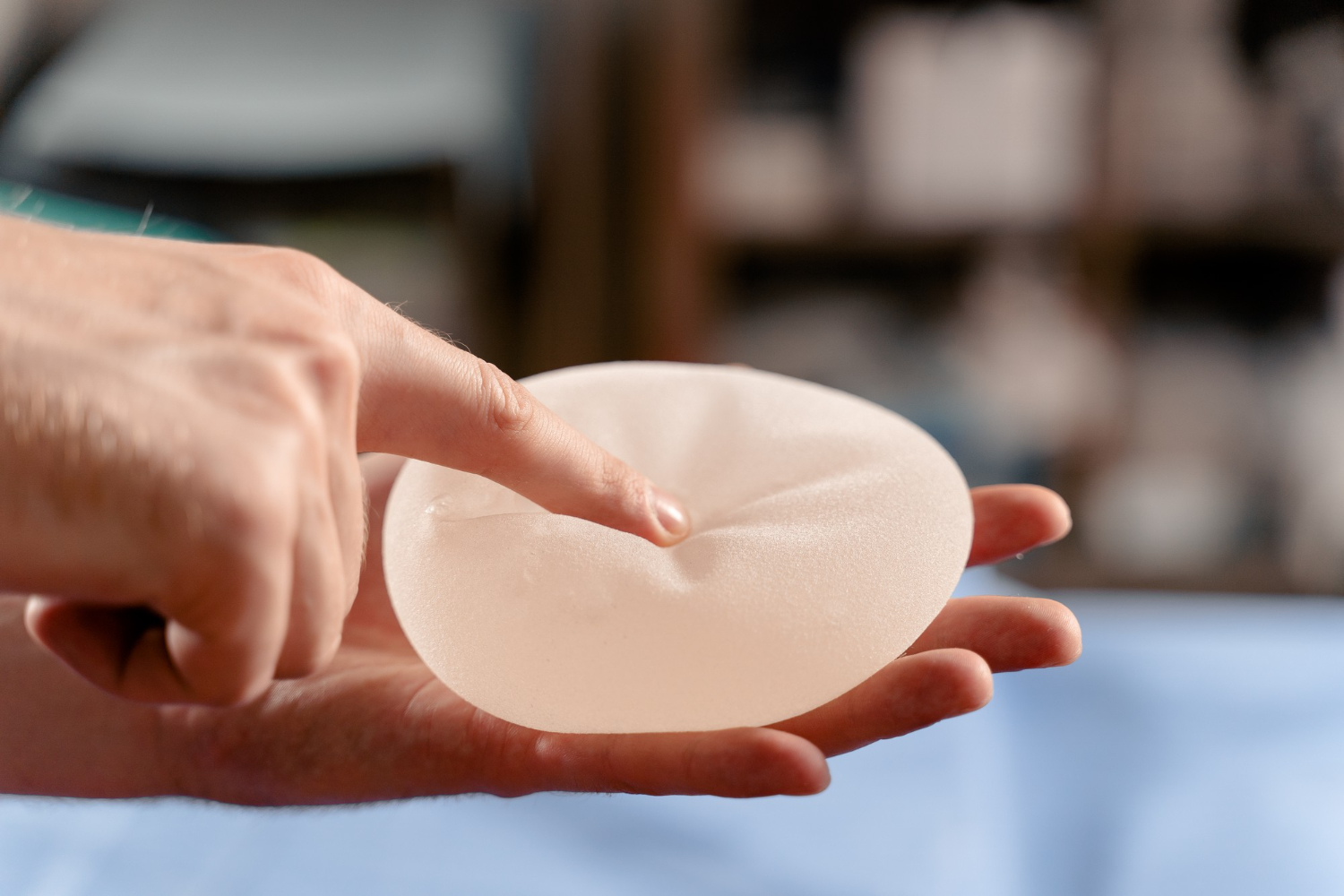
Years of safety research support the use of breast implants. Silicone implants are tested and approved by regulatory bodies, and modern implants are made of medical-grade cohesive silicone.
“Silicone implants cause cancer or autoimmune disease” — MYTH
Breast implants have not been shown to cause cancer or autoimmune disorders. Extensive safety testing supports their use. A separate, rare condition known as BIA-ALCL has been linked specifically to certain textured implant surfaces; it is not breast cancer, but a different type of lymphoma, and smooth implants (the type we use) are associated with a much lower risk.
“I won’t be able to breastfeed with implants” — MYTH
It is entirely possible to breastfeed following breast augmentation. Surgeons employ techniques aimed at preserving breastfeeding ability, particularly during implant placement and incision selection.
“Implants must be replaced every 10 years” — MYTH
Older implants frequently required replacement after ten years, but the latest generation is designed to last longer. If they’re not causing any problems and you’re satisfied with them, there’s no reason to replace them on a regular basis — though the risk of complications like rupture or capsular contracture does increase over time.
“Implants always look fake” — MYTH
With the right implant and an experienced surgeon, the results are natural-looking. The “fake” look is usually caused by implants that are disproportionate to the body frame.
“Breast augmentation is extremely painful” — MYTH
While it is an invasive procedure, Dr. Vikesh Vij uses techniques to reduce discomfort, and most patients no longer require pain medication a week after surgery.
“Any surgeon can perform breast augmentation” — MYTH
You should only see a plastic surgeon licensed with the Dubai Health Authority (DHA). Be aware that a “cosmetic surgeon” is not the same as a fully qualified plastic surgeon; always confirm your surgeon’s specialist credentials before proceeding.
“Implants can fix saggy breasts” — MYTH
Augmentation alone does not lift sagging breasts. A breast lift, with or without implants, is the best solution for droopy breasts.
“You can’t have a mammogram with implants” — MYTH
You can still have breast screenings after augmentation. Radiologists use multiple views to image the tissue surrounding the implant.
“You’ll see the final result immediately” — MYTH
Initial swelling causes the breasts to sit high and firm at first. The final shape emerges after three to six months of implant settlement, known as the drop and fluff process.
“Saline implants are the best type” — MYTH
Saline implants are no longer used in Dubai because they have a higher risk of rupture, sudden deflation, and rippling, and they feel less natural than modern cohesive silicone implants.
“Breast augmentation is only for a bigger bra size” — MYTH
Enlargement is only one reason for the procedure. Many women choose augmentation to restore volume lost due to weight loss, pregnancy, or breastfeeding, or to correct asymmetry between the two breasts, rather than simply to increase size.
“Implants stop the breasts changing over time” — MYTH
Implants maintain their own shape, but the natural breast tissue around them ages and is affected by weight changes and pregnancy. Your breasts will continue to change over time, but they will start out fuller.
“Breast implants affect your fertility” — MYTH
Breast implants do not impair fertility, conception, or pregnancy. You can conceive and carry a pregnancy like you would without implants.
“Augmentation always leaves noticeable scars” — MYTH
Scarring is typically minimal and well-hidden with modern techniques. Incisions are usually made in the inframammary fold (the breast crease) or around the areola, which heal to a faint line in most patients. Individual healing varies, and following your surgeon’s aftercare instructions makes a significant difference in the final outcome.
“Augmentation always changes nipple sensitivity” — MYTH
Most women do not notice a long-term change in nipple sensitivity after augmentation. Where changes do occur, they are usually temporary and resolve as the swelling subsides over the next few weeks.
The Honest Risks and Complications
A true answer to the question “is it worth it?” must include the drawbacks, because breast augmentation is a real surgery with real risks. Most women recover without incident, but you should be fully aware of what can occasionally occur:
- Capsular contracture is the most common long-term complication, in which scar tissue tightens around the implant, resulting in firmness or distortion. Modern implants and surgical techniques have reduced its occurrence, and it is treatable when it does occur.
- Implant rupture or leakage is uncommon with modern cohesive gel, also known as “gummy bear” gel, because it retains its shape even when the outer shell is damaged, similar to cutting into a gummy sweet rather than a liquid-filled one. Rupture can still occur and necessitates revision surgery.
- Changes in nipple or breast sensation are usually temporary, but in a few cases they can be permanent.
- Infection, bleeding, or wound healing issues: As with any surgery, these are uncommon and can be avoided with proper surgical technique and aftercare.
- The need for future surgery: Implants are not always permanent, and some women will require revision or replacement at some point.
None of this should be concerning; these risks are the reason to select a properly qualified consultant plastic surgeon and a regulated clinic, as well as to keep your follow-up appointments. But weighing them honestly is part of determining whether the procedure is worthwhile for you.
Recovery: What to Expect
This breast surgery in Dubai is a day-case procedure, so you can go home the same day. Most women take about a week off work (longer for physically demanding jobs), wear a surgical support bra for about six weeks, and refrain from heavy lifting, strenuous exercise, and chest workouts for at least six weeks. Bruising and swelling should subside within a few weeks. The breasts begin high and firm, but gradually soften and settle over three months as the implants drop and fluff into their natural position.
Implants vs Fat Transfer
Breast augmentation can be performed with implants or fat transfer, and neither is necessarily “better.” Implants provide a larger size increase, greater control over shape and projection, and long-term results. Fat transfer uses your own body fat for a very natural feel, but it only results in a small size increase — typically up to a single cup size — because not all transferred fat survives. Many patients benefit from a hybrid breast augmentation, which combines the best of both techniques. During your consultation, your surgeon will discuss which route best suits your goals.
Breast Implant Options at Dr. Vikesh Vij’s Clinic
Dr. Vikesh Vij uses implants after a clinical review of surface technology and capsular contracture evidence. This breast augmentation surgery in Dubai relies exclusively on implants that meet these rigorous standards.
Benefits of Breast Augmentation
Women most commonly report the following benefits:
- Improved self-confidence and wellbeing are frequently the most significant benefits, especially for women who have felt self-conscious about small or deflated breasts.
- A restored, fuller shape through breast enlargement in Dubai can help you regain your pre-pregnancy appearance after losing weight or breastfeeding.
- Improved proportions and clothing fit, enhancing the silhouette in fitted clothing and swimwear.
- Asymmetry correction is the process of evening out a noticeable size or shape difference between the two breasts.
- Increased confidence in social and intimate situations—feeling less self-conscious.
How Much Does Breast Augmentation Cost?
Breast augmentation cost in Dubai is often less expensive than people expect, though the exact cost is determined by the implant type, surgical technique, and complexity of your case. It’s important to understand what the price includes: the surgeon’s fee, the anesthetist, the implants, the facility and theater costs, your aftercare and follow-up appointments, and any implant warranties. A quote that appears unusually low may exclude some of these; therefore, when comparing clinics, look at what is included rather than just the headline figure. Be wary of choosing price over surgeon qualification; this is one area where cutting corners carries a significant risk. Because the total varies by individual, it is best to confirm with an itemized quote during the consultation.
Breast Augmentation at Dr. Vikesh Vij’s Clinic
Dr. Vikesh Vij, the best breast augmentation surgeon in Dubai, is a leading breast augmentation specialist. If you want to talk about whether breast augmentation is right for you and have your questions answered honestly, including the risks and benefits, he invites you to schedule a consultation with a breast augmentation surgeon in Dubai you can trust.
FAQs
How long do breast implants last?
Modern implants have no fixed expiry date, and many last well over ten years. However, they are not guaranteed to last forever, and some women will require revision or replacement at some point.
Will a boob job fix sagging?
No, implants increase volume but do not lift sagging breasts. If you have significant sagging, a breast lift, with or without implants, is the appropriate procedure.
Can I still breastfeed after augmentation?
Yes, in most cases. Surgeons use techniques to preserve breastfeeding ability, but as with any woman, breastfeeding success is not guaranteed.
How soon can I go back to work?
Most women take about a week off for desk jobs and up to two weeks for more physical work, with at least six weeks off from heavy lifting and strenuous exercise.
Is it true that bigger implants always look better?
Not necessarily — in fact, the opposite is often true. Implants that are disproportionate to your body frame are one of the main reasons results can look "obviously augmented" rather than natural. A skilled surgeon focuses on choosing a size and profile that complements your existing proportions, rather than simply maximizing volume.
Does having implants make future breast screenings less accurate?
No, this is a common misconception. Radiologists are trained to use multiple imaging views specifically designed to properly examine the breast tissue surrounding implants, so mammograms remain an effective screening tool. It's worth mentioning your implants to your radiologist beforehand so they can adjust their approach accordingly.
If I choose fat transfer instead of implants, will I get the same size increase?
No, fat transfer typically results in a more modest size increase, often up to about one cup size, since not all of the transferred fat survives long-term. Implants offer more predictable, larger volume increases with greater control over shape, which is why many patients choose a hybrid approach combining both techniques.
Is capsular contracture something I should be worried about?
It's the most common long-term complication, but modern implants and surgical techniques have significantly reduced how often it occurs, and it's treatable when it does happen. Understanding this risk isn't a reason for alarm — it's simply part of making an informed decision and knowing what your follow-up care should watch for.
Why do prices for breast augmentation vary so much between clinics?
Pricing differences often come down to what's actually included in the quote — surgeon's fees, anesthesia, implants, facility costs, aftercare, and warranties can all be bundled differently. An unusually low quote may be excluding some of these components, so it's important to ask for an itemized breakdown rather than comparing headline prices alone.
Related Blogs
Types of Breast Lift: Crescent, Donut, Lollipop and Anchor Compared
Surgical vs. Non-Surgical Eyelid Procedures: What You Need to Know
Breast Reduction vs Breast Lift: Which Procedure is Right for You?
Breast Uplift vs. Reduction: Choosing the Right Shape