Home / Blog / 10 Breast Lift Recovery Tips
10 Breast Lift Recovery Tips
August 17, 2026
Written by: Dr. Vikesh Vij Editorial Team Medically reviewed by: Dr. Vikesh Vij
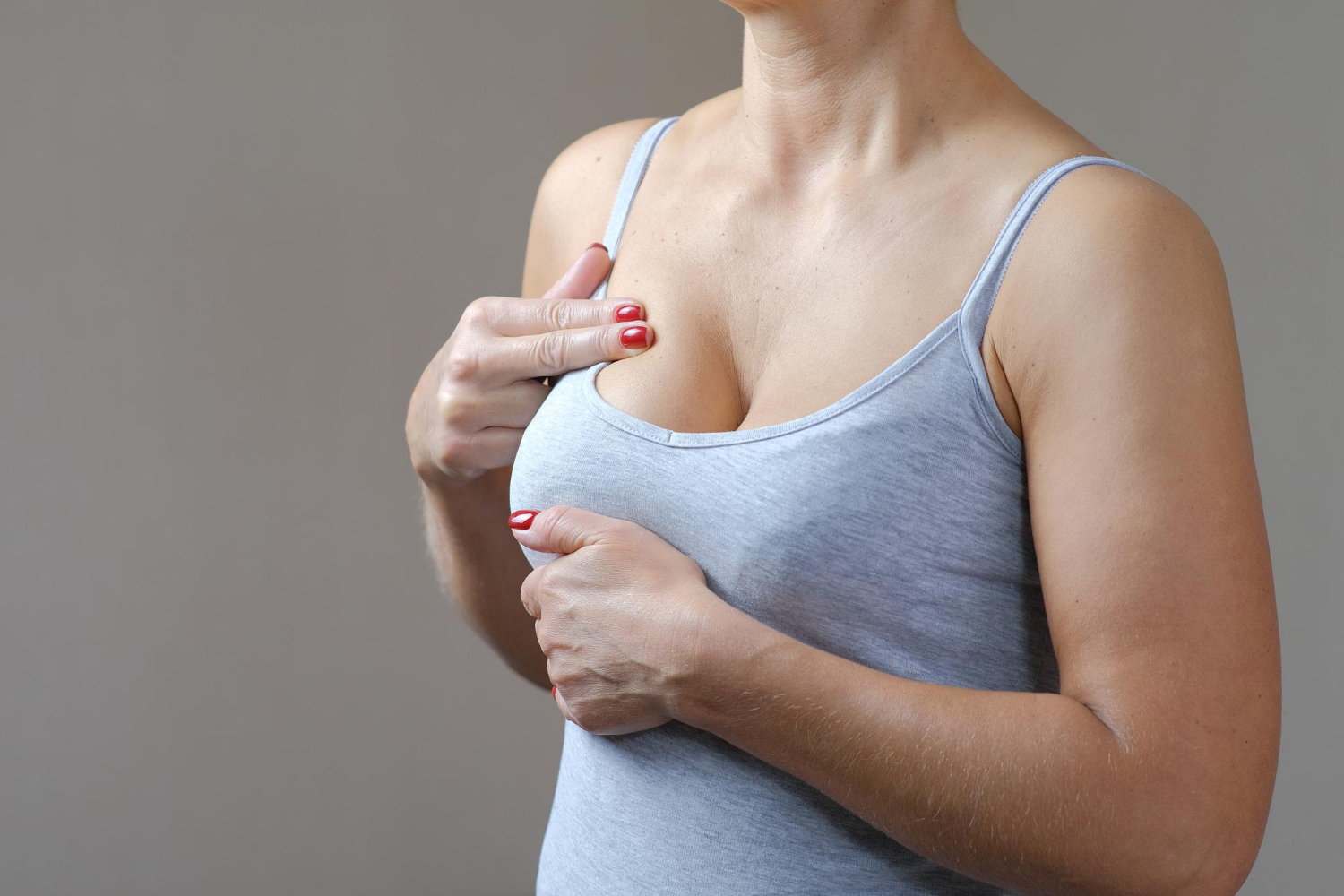
If you are concerned about your drooping breasts, a breast lift in Dubai can help you regain your self-confidence. Following a successful breast lift, many women report an improvement in their attitude and energy levels. Sagging breasts can bring a woman down emotionally or cause an uncomfortable distraction in daily life. Women seek breast lifts from cosmetic surgeons for a variety of reasons, including these. For the vast majority of women, the breast lift procedure is simple and gratifying, resulting in a desirable outcome.
Breast Lift Benefits
Following breast lift (mastopexy in Dubai) surgery, ladies may notice that their clothes fit better and they appear more youthful. Some women remark that having higher and firmer breasts makes them feel more at ease in their own skin. Some women report standing with better posture and feeling more fit following a breast lift. Others report feeling more driven to care for their body, go to the gym, or be more active. Patients exploring a non-surgical breast lift in Dubai should know that non-invasive treatments generally offer more subtle firming compared to surgical mastopexy for significant sagging. A breast lift has the ability to make many good life improvements, but you may ask what you must give up to achieve the desired result. What steps are included in breast lift recuperation, and how long should it take? Are there ways to make your breast lift recovery less stressful and reduce the time it takes to heal? Here, we will share some expert breast lift recovery advice to assist you have a positive experience.
Setting the Stage for Optimal Breast Lift Recovery
Breast lift recovery is often brief since skin and soft tissue are altered without muscle involvement. Your ultimate final outcome, with all edema removed, will not be visible for 3 to 6 months or longer. If you have a breast lift with implants in Dubai in addition to your breast lift, your recovery time will be lengthier. Most women feel bruising, inflammation, soreness, and discomfort following a breast lift, but severe pain is rare. If you carefully follow your surgeon’s recommendations before and after your breast lift, and keep an eye out for (rare) signs of infection, you should expect a speedy recovery after a breast lift in Dubai and a positive outcome. Many women return to work within a week (in non-strenuous office settings).
Breast Lift Recovery: Post Surgical Overview
Your breast lift surgery in Dubai should be performed in an accredited outpatient surgical center using general anesthetic. You will wake up bandaged and wearing a supportive compression bra. Occasionally, surgical drains (small tubes) are placed in your breasts and removed within a few days. Following your surgery, you will be given pain medication, nausea medication, and possibly an antibiotic. When you wake up from surgery, a friend or relative will drive you home. Since then, your recuperation has officially begun! Aside from the reasons described above, you must wear a compression bra continually, usually for at least three weeks, except while showering.
10 Tips To Speed Up Your Breast Lift Recovery
1. Care for your incisions.
Keep your surgical incision(s) clean and check them every day for symptoms of infection. You can shower the day after surgery, but if you have steri-strips on your incisions, your surgeon may advise you to keep them dry so they do not slip off prematurely. Your stitches will be removed in one week, although they are normally absorbable and intended to disintegrate on their own. Do not submerge your incisions until any scabs have grown and gone; therefore, avoid the pool, spa, or bathtub for at least 2 weeks, depending on the type of stitches you have and your surgeon’s recommendation. Do not drive for at least three days following your breast lift to avoid putting tension on your incisions, which can cause bleeding or widening scars. Check with your surgeon to determine the exact timing.
2. Be alert for complications.
They are uncommon, but search for symptoms of infection at incision sites or hematoma, which is blood flow that accumulates beneath the skin. If you have a fever, chills, or worsening discomfort, or observe severe swelling, bruising, new bleeding, or discharge near incisions, call your surgeon right away for an examination and necessary care.
3. Take only the proper medication.
Only 2-3 days of oral pain medicine are required, after which you can transition to Tylenol. In certain situations, you may be given antibiotics to take. Avoid any treatment, oral or topical, that has not been cleared by your surgeon, including over-the-counter pharmaceuticals or herbal supplements. Don’t take aspirin, fish oil, or vitamin E because these can thin the blood and induce bleeding.
4. Ask about herbal remedies.
Arnica and/or vitamin K cream or tablets can help decrease bruising. Bromelain pills and pineapple juice may help reduce swelling. Before you apply anything to your body, consult your surgeon first.
5. Relax — don’t let stress interfere with healing.
A little walking is beneficial from day one or two, but make sure to rest well. To reduce edema, sleep at around a 30-degree angle. Sitting up allows you to acquire the blood flow that your breasts require for a successful recovery. If you believe you will roll off of supported pillows while sleeping, consider purchasing a wedge pillow or bed wedge. Don’t sleep on your stomach. Allow your friends or family to cook, reach for, and lift things for you for a few days. After that, avoid straining the upper body for three weeks before gradually returning to normal activity levels. To avoid undue worry, discuss any concerns you have with your surgeon. Cold compresses are another option for managing swollen breasts and improving comfort while reducing tension. Be careful not to impede your recuperation or injure your skin. Use an ice pack with a cover, or wrap it in a towel or shirt to protect your skin. Keep it in place for up to 20 minutes at a time to reduce swelling, but take a 30 or 40-minute interval before reapplying.
6. Eat healthy and stay hydrated.
Limit your salt intake if your surgeon tells you to do so. It might help keep the swelling down. Don’t forget to drink plenty of water, about 8-10 glasses every day. Without proper hydration, your energy level will drop, which is the last thing you want while recovering from surgery. Additionally, you may become constipated after surgery, so drinking water will help. Eat a nutritious diet to ensure that your body has the energy to repair correctly. Include vitamin K-rich foods, such as lettuce, eggs, and yogurt. They’re known to promote healing and reduce edema. Do not consume any alcoholic beverages for three weeks because they can dehydrate you and create fluid retention.
7. Walk for circulation but avoid upper body movement.
No real workouts for at least 3 to 6 weeks. You can walk around the house as soon as you feel comfortable following surgery, but bring a companion with you if you are shaky. Light exercise, such as walking, reduces the risk of blood clots and can help reduce edema. When you start exercising again, wear a very supportive sports bra. High-intensity activity causes edema, puts pressure on your breasts, and can lead to other issues. Consult your plastic surgeon to devise a strategy that will allow you to resume your normal activities as soon as possible while maintaining your breast lift recovery. In most circumstances, you will only be away from your typical schedule for a month.
8. Communicate with your surgeon.
If you are concerned about something, such as a lack of sensation in one breast or asymmetry, keep in mind that issues are common and will most likely resolve as your body heals. Still, call if your issue appears urgent, such as indications of infection or hematoma, or make a note to question the best surgeon for breast lift in Dubai about anything you’re unclear of during your next follow-up visit.
9. Care for your scars.
Your cosmetic surgeon should have placed the incisions such that the scars from your breast lift are not noticeable when you wear garments. Even after the initial incision has healed, keep an eye on the development of your scar. To expedite scar healing after the incision has closed, apply a silicone substance, such as a bandage or lotion. Keep the incision sites clean and covered to avoid infections; regular showers assist promote a good healing environment for your skin. You’ll also need to reduce your UV exposure as the scar fades. Tanning salons are prohibited, and sunning on the beach may not be feasible until the next swim season. Apply plenty of sunscreen once you’ve been approved to wear a bikini and your incisions have healed completely, because sun exposure can color scars. After healing has commenced, ask your surgeon to demonstrate scar massage techniques to help reduce the scar. If you or your surgeon notice thickening of scars, steroid injections or laser treatment may be recommended to improve the scar’s look. Some people’s scars take years to vanish completely.
10. Get back to normal and enjoy your new, improved silhouette.
Try on everything you’ve been wanting to wear. Go shopping for clothing in your new size, but keep in mind that your breasts may continue to settle and some swelling may occur.
When you are ready to learn more about Breast Lift Dubai choices and recuperation, call Dr. Vikesh Vij, known for offering the best breast lift in Dubai. He provides personalized consultations, so please contact him to schedule an appointment when you’re ready.
FAQs
What should I expect right after surgery?
The procedure is usually performed under general anesthesia at an accredited surgical facility, and you'll wake up wearing a supportive compression bra, sometimes with small surgical drains that are removed within a few days. You'll typically be prescribed pain relief, anti-nausea medication, and possibly antibiotics. You'll need a friend or family member to drive you home, and a compression bra is usually worn continuously — except while showering — for at least three weeks.
How should I manage pain and reduce complications?
Most patients only need oral pain medication for two to three days before switching to over-the-counter options like Tylenol. Avoid blood-thinning substances such as aspirin, fish oil, or vitamin E unless cleared by your surgeon, and never introduce new medications or supplements without checking first. Watch for signs of infection or hematoma — such as fever, worsening pain, unusual swelling, or discharge — and contact your surgeon immediately if these occur.
What activity restrictions apply during recovery?
Light walking is encouraged from day one or two to support circulation and reduce swelling, but upper body strain and real workouts should be avoided for three to six weeks. Sleeping at a slight incline, avoiding stomach sleeping, and limiting salt while staying well hydrated can all help manage swelling. Most patients are back to their typical routine within about a month, though your surgeon can help tailor a specific timeline for you.
How do I care for my scars, and when will they fade?
Once incisions have closed, silicone bandages or lotion can help support scar healing, along with keeping the area clean and protected from UV exposure — tanning beds should be avoided, and sunscreen is essential once you're cleared to expose the area. Scar massage may also be recommended by your surgeon to improve appearance over time. Scars generally fade gradually, though for some people this process can take a couple of years to complete.
Related Blogs

How to Choose a Plastic Surgeon in Dubai: Qualifications, Safety and Questions to Ask
Can Liposuction Remove Belly Fat Permanently? What Happens if You Gain Weight Again?
Types of Breast Lift: Crescent, Donut, Lollipop and Anchor Compared
Breast Augmentation Myths: Is a Boob Job Worth It?