Home / Blog / Breast Reduction Recovery: Common Problems After Surgery And How To Avoid Them
Breast Reduction Recovery: Common Problems After Surgery And How To Avoid Them
September 1, 2026
Written by: Dr. Vikesh Vij Editorial Team Medically reviewed by: Dr. Vikesh Vij
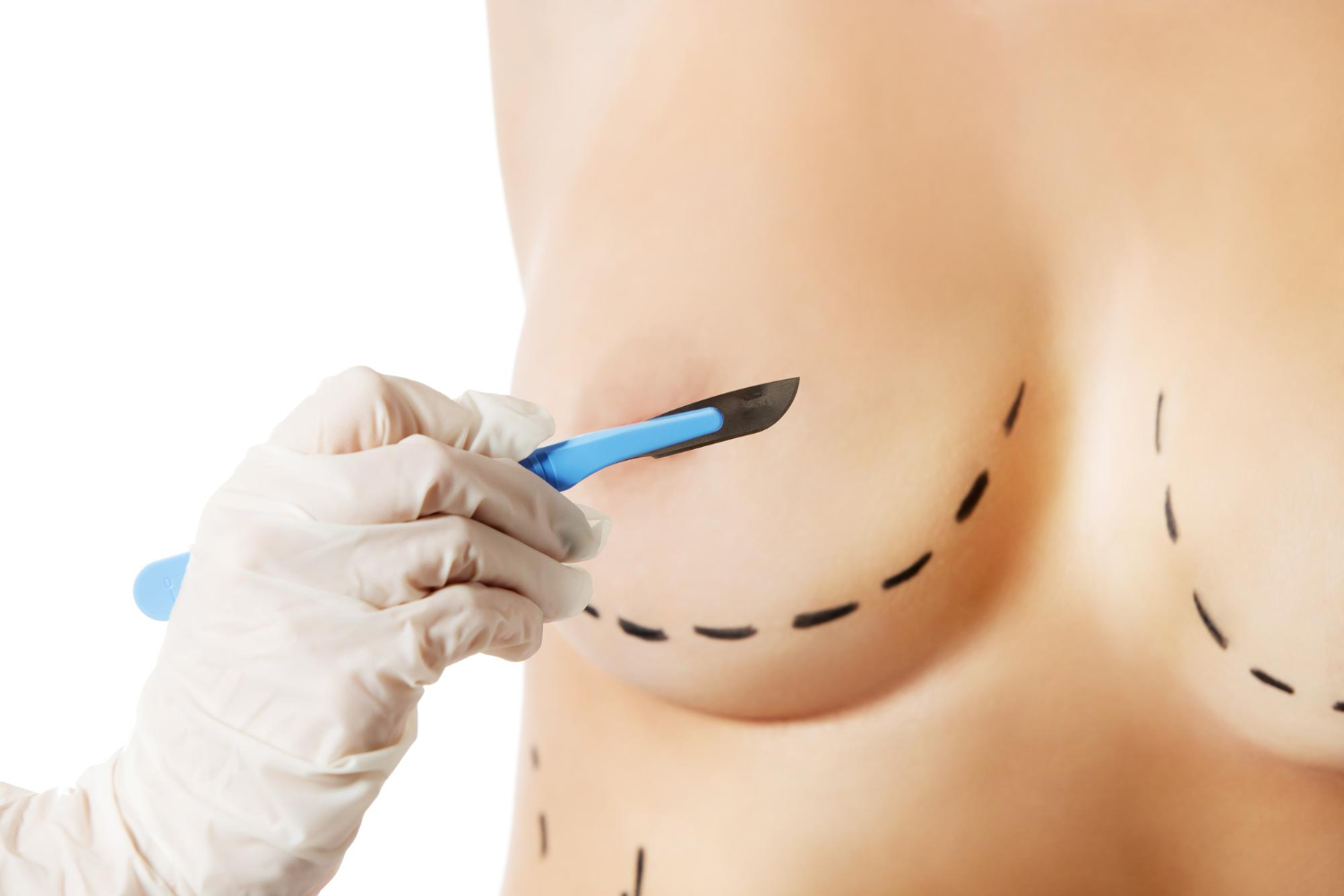
Breast reduction surgery, commonly known as mammoplasty, is a treatment for reshaping and reducing the size of the breasts by removing extra fat, tissue, and skin. Breast reduction in Dubai is the second most common cosmetic surgery in the city, following augmentation (implants), with over 4,600 surgeries completed last year. Despite its popularity, breast reduction is still a serious procedure with risks and potential problems, so it’s understandable to have some reservations. In this post, we’ll look at some of the most frequent issues that patients may encounter following breast reduction surgery. We also talk about what to expect during the breast reduction healing procedure and how quickly your scars will heal.
What are the common problems after breast reduction surgery?
During your visit with the best breast reduction surgeon in Dubai, they will describe some of the most typical issues that arise. According to a study, the risk of complications following breast reduction surgery is only 6%, with the majority of them minor and easily resolved. The following are the most typical issues you may have after breast reduction surgery.
Delayed wound healing
The incisions take time to heal, and everyone heals at various rates. The wounds normally shut in two weeks after a reduction mammoplasty in Dubai treatment, and the majority of the healing occurs within the first four to six weeks. Although the swelling will subside over time, it will likely continue three or four months; scars will take six months to a year to lessen, flatten, and entirely heal. However, for some people, the procedure is delayed due to poor blood circulation to the area or pre-existing health issues such as diabetes. This can increase the likelihood of visible scars and infection.
To expedite the healing process, quit smoking at least four weeks before surgery, get plenty of rest, and avoid strenuous activity. As part of our patient aftercare, we keep your wounds dry and clean, change your dressings on a regular basis, and teach you massage techniques to help you heal faster. A well-balanced and healthy diet also promotes healing after breast reduction surgery. This is a critical step in the recovery process because a poor diet can have a substantial impact on the body’s ability to mend.
Hematoma
A hematoma arises when blood accumulates beneath the skin after surgery. It appears like a nasty bruise and may cause discomfort and swelling. Hematomas typically resolve themselves over time. If your chest tightens, bulges, or becomes unusually painful, contact your surgeon immediately. They may need to perform a procedure to control the bleeding and remove the blood buildup.
Loss of nipple sensation
Loss of sensitivity in one or both nipples is a rather common condition following breast reduction surgery, with one study revealing that 19% of patients suffered diminished sensation. This is caused by nerve injury sustained during removing breast tissue or repositioning the nipple. Typically, the loss of sensation is very temporary, and things return to normal within a few months. However, in certain people, it can be long-lasting. That is something to consider when considering whether to undergo the operation.
Nipple and breast asymmetry
Even competent surgeons cannot ensure that your breasts will be entirely symmetrical following the treatment. Breast reduction surgery treats each breast as a distinct treatment. However, while some asymmetry is to be expected, there should be no considerable variances across breasts. If there are, it is possible that the surgeon removed unequal quantities of breast tissue or that the nipples were uneven. If you find yourself in this situation or are dissatisfied with the results of your operation for any other reason, you should consult your surgeon.
Fat or nipple necrosis
Nipple or fat necrosis occurs when the blood supply to the nipple is not adequately reattached, making it impossible to repair. The nipple or breast tissue will appear pale due to a lack of blood supply, or deep purple due to a blood obstruction. In either situation, the blood does not flow adequately, and the skin deteriorates. If you detect a change in the colour of your nipple or breast tissue that is not consistent with the rest of your chest, call your surgeon right once. If you have necrosis, they can restore the blood supply to the nipple or use it as a graft.
Infection
Infection is a risk following every surgery. The warning signals often appear five to seven days after surgery. They include:
- Redness surrounding the incision
- Skin that is heated to touch
- Extreme pain or discomfort near the wound
- Fever
- Chills
- Nausea
If you notice any of these warning symptoms, please call your surgeon or a healthcare expert immediately. As part of our patient aftercare, we will teach you how to heal your wounds and limit the risk of infection.
What to Expect After Breast Reduction Surgery?
After breast reduction Dubai procedures, you will feel weak and sore for the first two to three weeks, and you may need pain relievers for the first week or two. You may also experience a pulling or stretching in your chest area. That will progressively improve, and you will begin to feel stronger with each day. Initially, your breasts may appear solid and spherical, but as the swelling subsides, they will relax and take on a more natural shape. The swelling typically lasts three to four months, and your scars will take six months to a year to totally heal, flatten, and lighten in color.
Breast reduction recovery
Everyone heals at various rates, so your breast reduction recovery will be unique to you. However, as a guide, you should expect the following:
Weeks one to two
Breast reduction surgery necessitates an overnight stay at the hospital/clinic. We’ll watch you when you wake up from surgery, and if you’re doing well, you’ll be transported home. You will wear a post-operative bra to cover your bandages and provide additional support. You may experience nausea and dizziness on the first night, and the next two or three days will be the most uncomfortable. We’ll offer you some pain relievers to alleviate your discomfort. Your first follow-up appointment will be a week to ten days after the surgery, during which we will remove the stitches, replace the bandages, and check for symptoms of infection. If you work from home or at a desk, you may be ready to return to work.
Weeks two to four
At this moment, you are likely to feel uncomfortable and weary because your energy is fueling the healing process. You should be able to walk, drive, and perform light housework without difficulty, but you should avoid intense activity or lifting your arms above your head. By the third week, most of the bruising and swelling should have dissipated. Your incisions should be healing well and appear pink or brown, but they may still be sensitive and stiff to the touch.
After the first month
Most of the residual edema will have subsided, giving you a better indication of the end result. Depending on your development, you may be ready to remove the post-operative bra and get fitted for new bras. It normally takes 6 to 12 weeks before you can wear a regular bra in your new size. Your surgeon may advise you to convert to a sports bra before returning to underwire bra types. You should now be ready for more rigorous activities, but start carefully with lower-impact sports like walking or cycling before progressing to jogging or lifting weights. During this time, you may feel numbness around your nipples and along the sides of your chest, but this should subside over the next few months. The swelling should have subsided by three to four months, but the scars may take up to a year to soften and vanish completely.
Breast reduction scarring timeline
Reduction mammoplasty Dubai surgery scars are unavoidable. Dr. Vikesh Vij will conceal the incision lines and employ a procedure that reduces the appearance of scarring as much as feasible. They will also provide you with advice to help you heal faster and more effectively. Breast reduction surgery scars are tiny lines that vary in shape and size, but are either lighter or darker than your natural skin tone. They heal gradually, until they are barely detectable. Here’s how a typical breast reduction scarring timeline looks:
After three weeks
You will not be able to view the incision sites for the first several weeks since they will be covered in bandages. You should follow your surgeon’s instructions to keep the wounds clean and avoid doing anything that may strain them.
After six weeks
The incisions will most likely be red or purple, with a slight elevation from the surrounding skin. When you remove your bandages, keep the incisions away from direct sunlight.
After six months
The scars will have matured, and the skin around the incision will have healed, but it may still be darker than your normal skin tone. The scar may still be slightly raised or flat on the skin.
After one year
Your scar should now mix in with your normal skin tone, becoming light and less apparent. It may be slightly lighter or darker in tone, although it can improve after the first year.
Safe and affordable breast reduction surgery with Dr. Vikesh Vij
At Dr. Vikesh Vij’s clinic, he provides the highest grade of therapy, backed up by proper aftercare, to minimize the possibility of any difficulties arising. To learn more about breast surgery, including breast reduction, call Dr. Vikesh Vij or schedule a consultation with our staff.
FAQs
What causes delayed wound healing, and how can I support faster recovery?
Wounds typically close within about two weeks, with most healing happening in the first four to six weeks, though factors like poor circulation or conditions such as diabetes can slow this process and increase infection risk. Quitting smoking at least four weeks before surgery, resting adequately, avoiding strenuous activity, and eating a well-balanced diet all support your body's natural healing ability during this period.
Is losing nipple sensation after surgery permanent?
Reduced nipple sensation affects roughly 19% of patients and usually results from nerve disruption during tissue removal or nipple repositioning. In most cases, sensation gradually returns within a few months, though for a smaller number of patients, the change can be long-lasting. This is an important factor to discuss with your surgeon when weighing your decision.
What warning signs of infection should I watch for?
Infection symptoms typically appear five to seven days after surgery and can include redness around the incision, skin that feels warm to the touch, increasing pain, fever, chills, or nausea. If you notice any of these signs, it's important to contact your surgeon or a healthcare provider right away, since early treatment helps prevent more serious complications.
How long does scarring take to fade, and can asymmetry be corrected?
Scars typically remain visible and slightly raised for the first six months, gradually flattening and blending with your skin tone over about a year. Some asymmetry between breasts is normal after surgery, since each side is treated individually, but if you notice significant differences in size or nipple position, it's worth discussing this with your surgeon, as it may be addressed with a follow-up consultation.
Related Blogs

How to Choose a Plastic Surgeon in Dubai: Qualifications, Safety and Questions to Ask
Can Liposuction Remove Belly Fat Permanently? What Happens if You Gain Weight Again?
Types of Breast Lift: Crescent, Donut, Lollipop and Anchor Compared
Breast Augmentation Myths: Is a Boob Job Worth It?