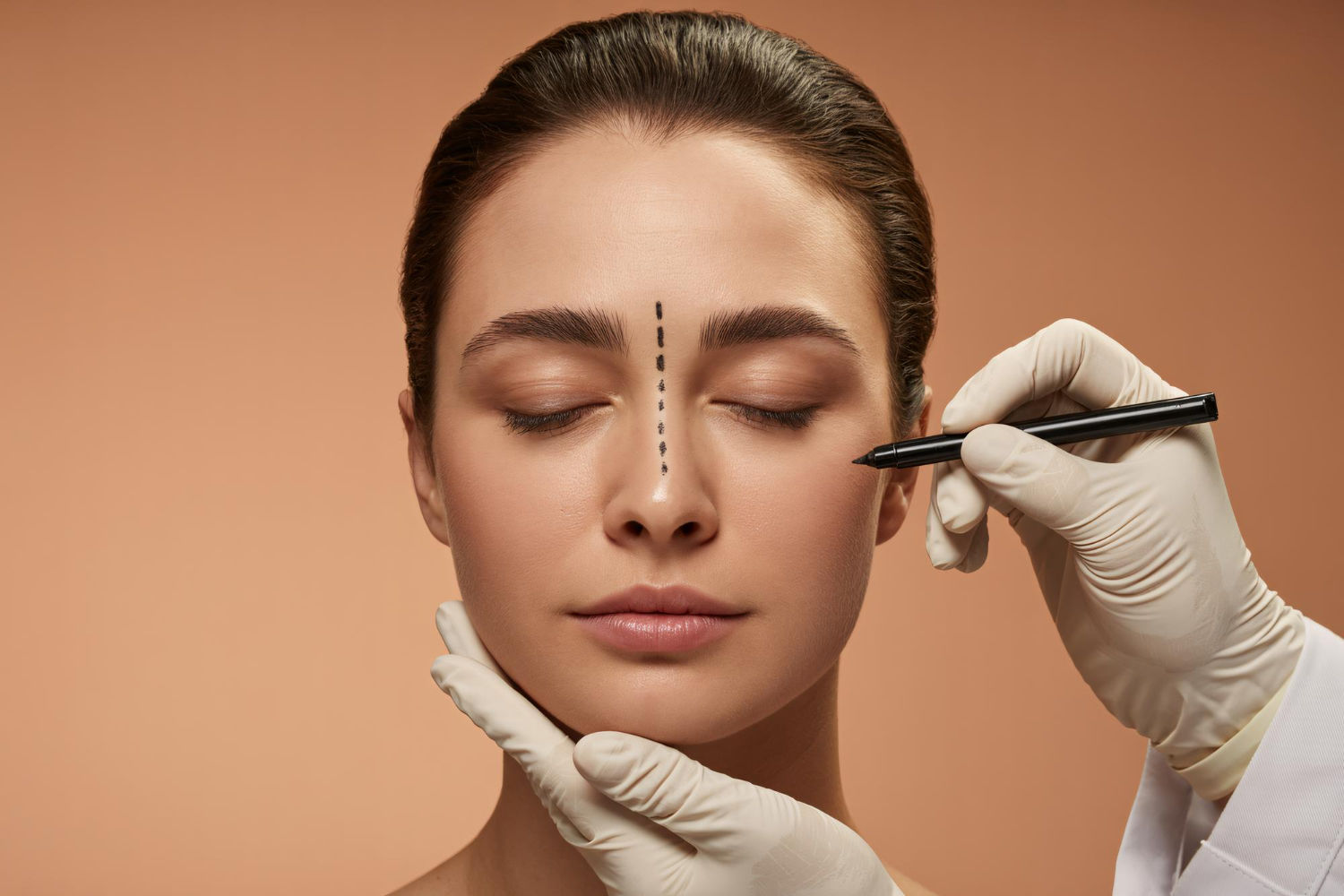
Home / Blog / Otoplasty in Dubai: Correcting Prominent Ears in Children and Adults
Otoplasty in Dubai: Correcting Prominent Ears in Children and Adults
April 7, 2026
Written by: Dr. Vikesh Vij Editorial Team Medically reviewed by: Dr. Vikesh Vij

Key Takeaways
- Otoplasty, also known as ear pinning, is a specialized treatment that usually takes one to two hours to complete. It involves sculpting cartilage through incisions hidden behind the ear to correct bulging ears.
- Otoplasty is best performed on children between the ages of 5 and 6, when their ears have grown to 85% of their adult size. However, the operation can be performed on adults at any age with positive outcomes.
- Through specialized surgical techniques, otoplasty in Dubai can repair a variety of ear malformations, such as projecting ears, macrotia (big ears), cupped ears, lop ears, shell ears, and asymmetrical ears.
- Most patients return to work or school after one week of recovery, which entails wearing protective bandages for the first week and a headband at night for four to six weeks.
- Instead of experiencing excruciating agony, patients usually have mild discomfort, which peaks during the first 48 hours and then decreases.
- Results are often permanent and produce a natural appearance with ears positioned at a 15-20 degree angle from the skull, with scars well-hidden in the crease behind the ear.
Understanding Otoplasty: What the Ear Pinning Procedure Involves
Otoplasty, also referred to as ear pinning surgery, is a specialized plastic surgery treatment used to reduce the size, reposition, or reshape prominent ears. Concerns about ears that protrude excessively from the head, are abnormally large, or have structural abnormalities are addressed by this transforming operation. Precise incisions are made behind the ear as part of the surgical method, and any accompanying scars are neatly concealed by the natural crease. The cartilage is accessed by the surgeon through these incisions, and it is subsequently molded and moved to give the appearance of greater balance. To get the proper shape, the surgeon may occasionally remove tiny pieces of cartilage. Non-removable sutures are used to hold the cartilage in place as it heals.
Instead of flattening ears artificially, modern otoplasty treatments concentrate on producing results that look natural. The usual aesthetic position for ears that don’t grab attention is to place them at an angle of roughly 15 to 20 degrees from the head. Under general anesthesia for children and local anesthesia for adults, the surgery usually takes one to two hours to finish. Over time, otoplasty surgery has changed dramatically, with modern methods focusing on maintaining the ear’s natural shapes while treating the particular anatomical problems that are generating the prominence. Results that look natural and complement the patient’s overall face features are guaranteed by this customized method.
When is the Right Time for Otoplasty? Age Considerations
Physical development and psychological variables must be carefully taken into account while determining the best time for otoplasty Dubai. When children’s ears have grown to around 85% of their adult size, which usually happens between the ages of 5 and 6, ear surgery Dubai can be safely carried out. By this age, the ear structure is evolved enough for long-lasting effects, and the cartilage has grown stable enough to sustain the surgical adjustments. Before a child starts school, many cosmetic surgeons advise thinking about otoplasty since it can help avoid psychological suffering due to bullying or teasing regarding prominent ears. According to research, children with obvious ear abnormalities may face social difficulties and low self-esteem, which can be lessened with early care. Nonetheless, the youngsters need to be able to express how they feel about their ears and show some comprehension of the process.
Adults who are in good general health can have otoplasty at any age. After years of dealing with ear-related concerns, many adult patients seek ear correction in Dubai. They frequently mention that they have modified their haircuts to hide their ears. Since the ear cartilage is pliable throughout life, there is no upper age limit for the operation. In the end, the time of the decision should strike a balance between psychological and physical fitness. Parental guidance is crucial for kids, but it’s also important to give them some agency when making decisions. Adults’ willingness to deal with a persistent issue is frequently correlated with the timing. Regardless of age, a comprehensive consultation with a licensed plastic surgeon is required to determine each patient’s suitability and set reasonable expectations for the procedure.
How Otoplasty Surgery Corrects Different Types of Ear Deformities
Otoplasty surgery Dubai is incredibly adaptable, using customized surgical techniques to treat a variety of ear malformations. Protruding ears, which are characterized by an increased angle between the ear and the head, are the most frequently treated ailment. This is usually caused by either an overdeveloped concha (the bowl-shaped cavity close to the ear canal) or an underdeveloped antihelical fold (the curved rim inside the outer ridge). Using precisely positioned sutures, the surgical correction creates or improves the antihelical fold and, if required, reduces the conchal cartilage. Another issue that can be successfully addressed with otoplasty is macrotia, or unusually big ears. While maintaining the ear’s natural dimensions and shapes, the surgeon removes extra skin and cartilage. Careful preparation is necessary for this reduction process to preserve symmetry and produce outcomes that look natural.
Expanding the constricted areas and rearranging the cartilage framework helps rectify cupped ears, which have a tiny, compressed look with a protruding top edge. Similarly, rebuilding the cartilage to provide adequate support for the upper ear is used to treat lop ears, in which the top part folds forward and downward. A more intricate restoration is needed for shell ear, a rare disease where some anatomical components are absent or undeveloped. In order to reconstruct the lost features and produce a more realistic appearance, the surgeon may employ cartilage grafting techniques. For asymmetrical ears, the surgeon carefully measures both ears and changes the more prominent one to match its counterpart, or in cases of considerable asymmetry, may modify both ears to achieve balance. Each of these adjustments is made with great care to address the particular anatomical problems while maintaining the ear’s natural curves. The plastic surgery techniques performed are customized to the individual’s particular ear anatomy, producing outcomes that appear natural rather than artificially altered.
What to Expect During Your Otoplasty Consultation and Procedure
Your otoplasty journey starts with a thorough consultation during which your surgeon will assess the shape of your ears, talk about your aesthetic objectives, and choose the best surgical technique. In order to arrange your surgery, the surgeon will measure your ears precisely, look at their position and form, and potentially take pictures of them from various perspectives. The surgeon will explain what is practically possible while you have the chance to voice your worries and desired results. A review of your medical history is an essential component of the consultation because certain disorders may make you less suitable for surgery. The surgeon will question about previous surgeries, current medications, allergies, and smoking habits. Children’s capacity to adhere to post-operative instructions and developmental milestones will be evaluated. This is also the moment to explore anaesthesia options—local with sedation for adults or general anaesthesia for younger patients.
On the day of the surgery, you’ll arrive at the clinic having followed pre-operative instructions, which often include fasting guidelines and avoiding specific drugs. The surgeon starts by making small incisions behind the ears after giving the proper anesthesia. In accordance with the pre-established surgical strategy, the cartilage is molded, folded, or partially removed through these access locations. To keep the cartilage in its new location, non-absorbable sutures are positioned carefully. A protective dressing is then placed around the ears after the wounds are sealed with tiny stitches. Depending on how complicated the necessary changes are, the full process usually takes one to two hours. You will be kept under observation in a recovery area following surgery until the anesthesia’s effects wear off. The majority of otoplasty surgeries are done as outpatient treatments, so you can go home the same day with thorough aftercare instructions and a follow-up consultation to track your recovery.
Recovery Timeline: Healing After Ear Reshaping Surgery
Recovery after ear reshaping Dubai generally follows a predictable timeline, although individual experiences may vary. During the first 24 to 48 hours after surgery, patients may experience mild discomfort, swelling, and a feeling of tightness around the ears. With prescription painkillers, these symptoms are usually adequately controlled. During this first stage, a large bandage will shield the ears, and it’s crucial to sleep with the head up to reduce swelling. By days three to five, the protective bandage is typically replaced with a lighter headband that needs to be worn all the time for about a week, after which it can only be worn at night for a further four to six weeks. The vital purpose of this headband is to keep the ears from folding forward when you sleep, which could jeopardize the outcome of surgery. During this time, mild to severe bruising and swelling continue, but they start to significantly go away. Most patients return for suture removal after a week, however some surgeons utilize dissolvable sutures, which do not require this step. At this stage, many people feel at ease going back to work or school, but contact sports and physically demanding activities are still prohibited. The initial effects become more noticeable, but the ears will still seem slightly enlarged.
Remaining swelling eventually goes away throughout weeks two through four. After two weeks, patients can usually resume light exercise, but they should refrain from activities that could cause ear damage for at least six weeks. During this stage, sensitivity and numbness around the ears are typical and can last for a few weeks. About 90% of the swelling had gone down at the three-month period, showing the procedure’s near-final outcomes. However, once the tissues settle completely, little improvements in the ear’s appearance can last up to a year. To minimize discomfort and promote scar healing, it is crucial to shield the ears from intense heat and direct sunlight during the healing process. For most patients, the temporary limitations after ear reshaping surgery in Dubai are well worth the long-term improvement in ear appearance and the boost in self-confidence.
Is Otoplasty Painful? Managing Discomfort and Expectations
Rather than being extremely painful, otoplasty is typically regarded as a fairly uncomfortable treatment. Anaesthesia, either general anaesthesia for children or local anaesthesia with sedation for adults, prevents patients from experiencing pain during the actual procedure. Instead of severe pain, the post-operative discomfort usually presents as a sensation of pressure, tightness, or throbbing around the ears. The majority of patients indicate that their discomfort peaks within the first 24 to 48 hours and then steadily decreases. Prescription painkillers are a useful approach to treat this initial discomfort, but most patients find that they may stop using them in two to three days and instead turn to over-the-counter analgesics like paracetamol. By lowering swelling and numbing the area, appropriately administered cold compresses close to (but not directly on) the surgical site can offer further relief.
During the healing process, itching sensations around the incision sites are frequent and perhaps more annoying than actual pain. Patients are highly discouraged from scratching since it may interfere with the healing process. Alternatively, your surgeon can suggest antihistamines or mild tapping to ease this feeling. After otoplasty, children usually report less discomfort than adults, and they frequently appear amazingly comfortable within a day or two. This could be partially explained by children’s potential differences in pain perception and their ability to heal more quickly. For patients of all ages, however, proper pain management is still crucial.
Another typical sensation that patients should be prepared for is temporary numbness of the ears. Small sensory nerves are disrupted during surgery, causing this numbness, which usually goes away over a few weeks to months. This sensation is rarely reported as painful, despite the fact that it can seem strange. An essential part of getting ready for otoplasty is controlling expectations regarding discomfort. For the majority of patients, the procedure’s long-term psychological advantages greatly outweigh the brief discomfort. You can reduce discomfort and promote the best possible healing by carefully adhering to your surgeon’s post-operative recommendations.
Before and After: Realistic Results from Ear Correction Surgery
Otoplasty has a high patient satisfaction rate and produces some of the most consistently pleasing results in cosmetic plastic surgery. However, realistic expectations are essential to understanding the results. Patients can anticipate ears that sit closer to the skull after ear pinning surgery, usually at an angle of 15 to 20 degrees, which is thought to be the optimal aesthetic. A more balanced appearance is produced by the ears’ improved symmetry and proportion to the other facial features. The goal is ears that no longer draw attention to themselves, and the shift is frequently described as subtle but profound. The surgeon strives for better balance and harmony rather than precisely symmetrical ears, which are uncommon in nature. Since absolute symmetry is neither necessary nor realistic for a natural appearance, minor asymmetries may continue to exist.
Otoplasty usually leaves little to no visible scarring. When the incisions heal, they are almost undetectable since they are carefully positioned in the natural crease behind the ear. These scars may be pink or somewhat elevated at first, but within six to twelve months, they usually fade to thin, pale lines. Scars can look their best with proper care, which includes shielding them from the light. Beyond the physical alterations, there is frequently a significant psychological shift. After otoplasty, many patients report notable gains in social comfort and self-confidence. While adults typically report feeling freed from long-standing insecurities and adopting hairstyles that reveal rather than hide their ears, children who have previously been teased frequently show increased academic achievement and social involvement.
Another important benefit of otoplasty is the durability of the results. Otoplasty results are usually permanent, in contrast to certain cosmetic operations that could need maintenance or correction. The cartilage stays stable throughout life once it has healed in its new location. Otoplasty is a particularly beneficial surgery because of its permanency, which offers lifelong benefits from a single procedure, especially when done during childhood.
Choosing the Right Surgeon for Your Ear Pinning Procedure
The most important choice in your ear correction process may be choosing the right surgeon for your otoplasty. These associations demonstrate devotion to strict training, ethical, and ongoing education requirements. It is crucial to have specific experience with otoplasty treatments. Although many cosmetic surgeons do ear correction, those who do it frequently will have honed their skills and seen a variety of ear malformations, making them better equipped to handle your specific issues. If you have atypical ear anatomy or are needing revision surgery, ask prospective surgeons about their experience with cases like yours.
Examining before-and-after pictures of prior patients might provide important details about a surgeon’s technical proficiency and aesthetic approach. Look for patients with similar ear shapes or issues to your own, as well as consistency in the results. But keep in mind that these are the surgeon’s greatest results and might not be representative of the entire spectrum of outcomes. Important details regarding the surgeon’s methodology are provided by the consultation experience. A skilled otoplasty surgeon should examine your ears thoroughly, pay close attention to your worries, go over the specifics of the treatment, and talk about reasonable expectations. Surgeons who seem indifferent to your inquiries or who guarantee perfection should be avoided. The ideal surgeon will take the time to comprehend your objectives and be forthright regarding what is actually possible. There are extra factors to take into account during pediatric otoplasty. Seek out surgeons who have specialized training in treating children and who are patient and have good communication skills with young patients. In order to make sure your child is at ease and included in age-appropriate conversations about the treatment, the surgeon should speak to you and your child in a suitable manner.
FAQs
What age is best for ear pinning surgery?
Otoplasty is best performed between the ages of five and six, when the ears have grown to around 85% of their mature size. The cartilage is stable enough to support the surgical adjustments at this age, and doing the treatment prior child starting school can avoid possible psychological discomfort from taunting. However, as ear cartilage is flexible throughout life, otoplasty can be safely carried out at any age beyond this, including maturity.
Is otoplasty permanent or will my ears stick out again?
The effects of otoplasty are long-lasting. The ear cartilage stays stable for life after healing in its new location, which usually takes 12 weeks. Initial support is provided by the non-absorbable sutures used during the procedure; however, scar tissue eventually grows around the relocated cartilage, permanently preserving the new ear position. Properly executed otoplasty offers lifetime repair without the need for revision, in contrast to many cosmetic surgeries that require upkeep.
How visible are otoplasty scars?
Scars from otoplasty are usually extremely well hidden. The incisions are almost undetectable to others because they are carefully positioned in the natural crease behind the ear. These scars may appear pink or somewhat elevated at first, but within six to twelve months, they usually diminish to thin, pale lines. Scars can be made to look better and be less noticeable with proper care, which includes avoiding the sun and adhering to your surgeon's wound care recommendations.
When can I return to normal activities after ear surgery?
After the initial bandages are taken off, most patients can resume work or school around a week after otoplasty. Strenuous exercise should be avoided for at least three weeks, but light activities can be resumed after two weeks. Activities that put the ears at risk, such as contact sports, should be avoided for at least six weeks. For four to six weeks following surgery, it is usually advised to wear a headband to protect the ears in order to avoid unintentionally folding them as you sleep.
What conditions can otoplasty correct?
Otoplasty is commonly performed to correct prominent or protruding ears, but it can also address several other ear concerns. These may include asymmetrical ears, overly large ears, or deformities caused by injury or birth conditions. The procedure reshapes the ear cartilage to create a more balanced and natural appearance. In Dubai, both children and adults seek otoplasty to improve facial harmony and boost confidence.
Is otoplasty performed under local or general anesthesia?
Otoplasty can be performed using either local anesthesia with sedation or general anesthesia, depending on the patient’s age and the complexity of the procedure. Children are usually treated under general anesthesia to ensure comfort and safety, while adults may undergo the surgery with local anesthesia. Your surgeon in Dubai will recommend the most suitable option during the consultation.
What should I expect during the first few days after otoplasty?
During the first few days after otoplasty, patients may experience mild swelling, tenderness, and a feeling of tightness around the ears. A protective bandage or dressing is usually placed around the head to support the new ear shape. These symptoms gradually improve within the first week, and following the surgeon’s post-operative instructions helps ensure a smooth recovery.
Can otoplasty improve facial balance and confidence?
Yes, otoplasty can significantly enhance facial balance by repositioning the ears closer to the head or reshaping them to achieve better symmetry. When ears appear more proportionate to the face, it often improves overall appearance. Many patients in Dubai report increased confidence and comfort in social situations after the procedure.
How do I prepare for otoplasty surgery?
Preparation for otoplasty usually involves a consultation with a qualified surgeon to review medical history and discuss expectations. Patients may be advised to avoid certain medications, stop smoking before surgery, and arrange for someone to assist them after the procedure. Proper preparation helps reduce risks and ensures a safe surgical experience.
Related Blogs
How to Choose a Plastic Surgeon in Dubai: Qualifications, Safety and Questions to Ask
Can Liposuction Remove Belly Fat Permanently? What Happens if You Gain Weight Again?
Types of Breast Lift: Crescent, Donut, Lollipop and Anchor Compared
Breast Augmentation Myths: Is a Boob Job Worth It?