Home / Blog / Recovery After a Breast Lift: Expert Guide by Breast Surgeon
Recovery After a Breast Lift: Expert Guide by Breast Surgeon
August 11, 2026
Written by: Dr. Vikesh Vij Editorial Team Medically reviewed by: Dr. Vikesh Vij
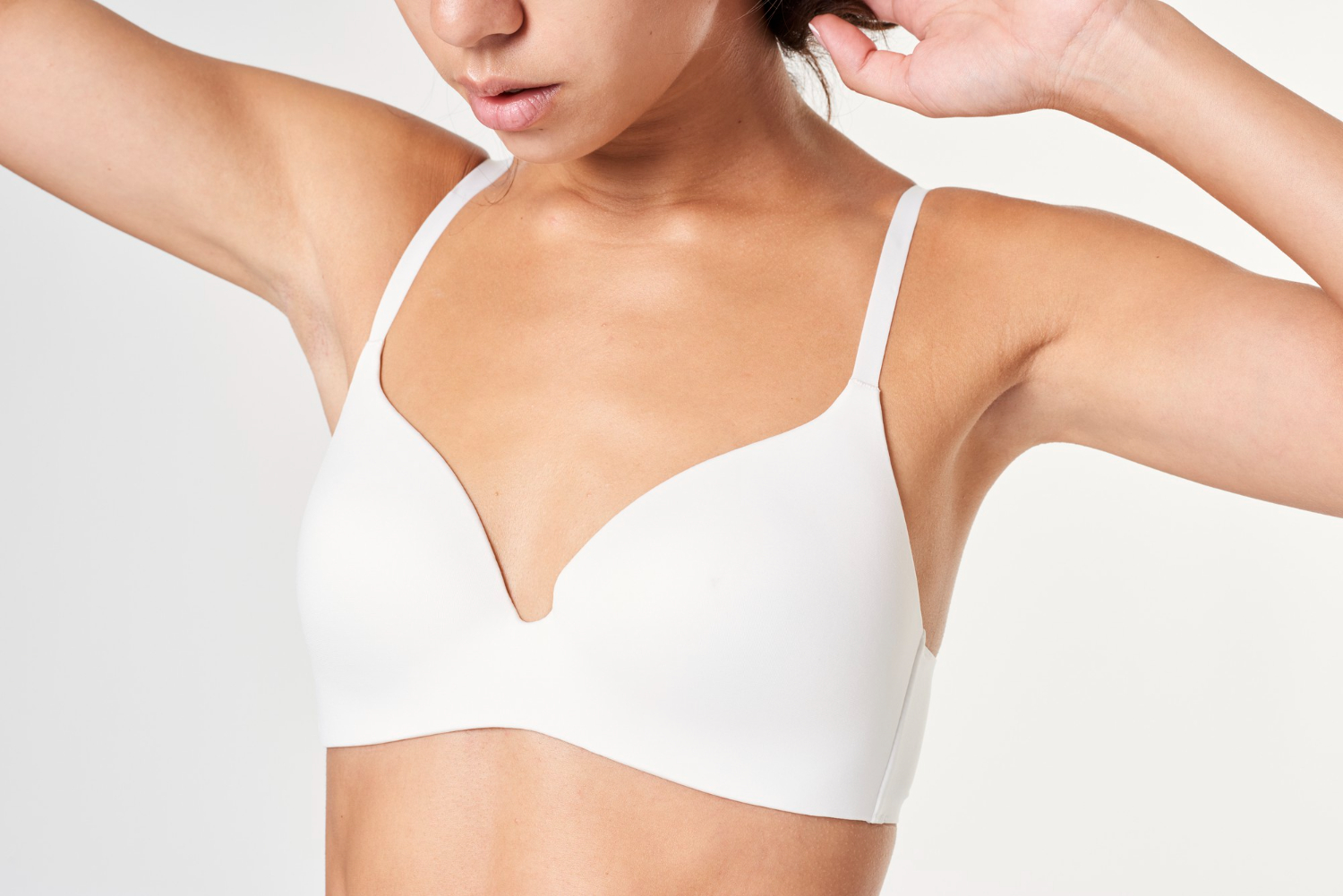
Before having a mastopexy in Dubai procedure, patients should talk to a qualified breast surgeon in Dubai to make sure they get the right advice for their recovery. Getting better after a breast lift requires careful attention to a number of aftercare issues, which an experienced breast surgeon will go over with you during your pre-surgery appointment. Patients can get ready for the weeks after surgery by getting mentally and physically ready for what to expect during recovery. Recovery times are different for each person and depend on things like age, general health, and the complexity of the procedure. Following the guidance of the best surgeon for breast lift in Dubai to the letter makes healing go more smoothly and gives you better long-term results.
The First 48 Hours: Critical Recovery Phase
The most difficult part of healing after breast lift surgery in Dubai is the first few days after surgery. Around the breast area, patients may feel some pain, swelling, and maybe even bruises. This is totally normal and a part of getting better. Painkillers prescribed by a doctor help with the discomfort during this time, and wearing the surgical support bra is important for compression.
Rest is very important during this time, and most activities should be kept to a minimum. Patients should find someone to help them with daily tasks and basic needs. Putting pillows under your shoulders while you sleep can help reduce swelling and make you more comfortable during the first few days of healing.
Week One: Managing Discomfort and Limited Activity
By the end of the first week, most people feel a lot less pain, but the area around the cuts may still be tender and tight. As suggested by their operator, most patients switch from prescription painkillers to over-the-counter ones. As always, the support bra is an important part of keeping the new breast shape. For better blood flow, light walking is recommended, but lifting anything heavier than a kettle should be avoided. Some patients with desk jobs might be able to work from home, but taking the whole week off gives them a chance to rest. As long as the surgeon says so, you can take a shower, but not a bath, so as not to soak the incisions. Recovery after a breast lift in Dubai progresses at its own pace, so patience during this stage is essential.
Weeks Two to Four: Gradual Return to Normal Activities
As the body gets used to the changes, this time marks a big improvement in comfort. Incisions start to heal properly, but patients still need to carefully follow the instructions for wound care. The special surgical bra is usually still needed, but some surgeons may let you switch to a soft, supportive sports bra without underwires. During this phase, many patients undergoing breast lift Dubai procedures can go back to undemanding jobs, but those with hard jobs may need longer. Light exercise like walking can be done more often and for longer periods of time, but heavy activities, especially those that use the chest muscles, are still not allowed. Once painkillers are no longer needed and movement isn’t limited, driving can be done again.
One to Three Months: Advancing Recovery and Activity Levels
Recovery and activity levels continue to improve steadily during this stage. At this point, most of the healing on the outside is done, but healing on the inside is still going on. The swelling goes down a lot, but it might not go away completely. Sense changes around the breasts and nipples are normal, and they usually get better over time. If the surgeon says it’s okay, regular bras can be worn, but styles with underwires should be avoided until the doctor says it’s okay. The intensity of exercise can be gradually raised, but workouts that focus on the chest need special permission. Most people are able to go back to their normal daily lives, but they may need to make some changes to some things they do. At this stage, scars are still red and new, but they start to fade over the next year.
Long-Term Recovery: Six Months and Beyond
Most people feel like they’ve fully recovered from their breast lift by six months after surgery. This process lasts for a long time after the first year and scars continue to fade and flatten. As any remaining swelling goes away, the shape of the breasts continues to settle into its final position. Patients can usually go back to doing all of their daily activities, even hard exercise, without any problems. Check-ups with the surgeon once a year are still important to see how things are going in the long term. Many patients who chose the best breast lift in Dubai say they feel better about themselves and their looks, which often leads to an overall better quality of life.
Tips for Optimal Recovery Throughout the Process
Eating right, with a focus on protein-rich foods and staying hydrated, can help the body heal. Following scar care instructions to the letter will improve the scar’s appearance in the long run. Wearing the suggested support clothes for the full amount of time suggested can help you get the best results. It is much easier to heal if you don’t smoke before and after surgery. Keeping the lines of communication open with the surgical team about any worries helps catch problems early. Taking pictures on a regular basis (as long as the surgeon agrees) helps patients see small improvements that they might not have noticed otherwise. Setting realistic goals for recovery helps you keep a good attitude as you go through the process. Patients considering a non-surgical breast lift in Dubai should note that non-invasive options generally offer more subtle results than surgical mastopexy for significant sagging. Some patients also opt for a breast lift with implants in Dubai, which can involve a slightly different recovery timeline due to the added volume and healing considerations.
Conclusion
After having a breast lift, recovery is a slow process that needs patience and the right treatment. As you go through this, the advice of an experienced breast surgeon is very helpful. During the first few weeks, patients must carefully follow activity restrictions and wound care instructions. However, within a few months of their procedure, most patients notice improvements in the shape and position of their breasts, and these results continue to get better over time. Patients can approach their recovery with realistic goals and the right amount of preparation when they know this timeline.
FAQs
What can I expect during the first week of recovery?
By the end of week one, most patients notice significantly less pain, though tenderness and tightness around the incisions may persist. Many switch from prescription painkillers to over-the-counter options around this point. Light walking is encouraged to support circulation, but lifting anything heavy should be avoided, and showers are usually fine while baths are not, to keep incisions dry. Some patients with desk jobs may manage light work from home, though taking the full week off allows for more rest.
When can I return to normal activities and driving?
Between weeks two and four, most patients see a noticeable improvement in comfort as incisions continue healing. Undemanding jobs can often be resumed during this period, though physically demanding roles may require more time off. Light exercise like walking can increase gradually, but chest-focused activity remains off-limits. Driving is typically possible again once you're off painkillers and movement is no longer restricted.
How does recovery progress between one and six months?
By one to three months, most external healing is complete, though internal healing continues, swelling reduces significantly, and any changes in nipple or breast sensation usually improve over time. Regular bras (avoiding underwire) may be permitted, and exercise intensity can gradually increase with surgeon approval. By six months, most patients feel fully recovered, with breast shape settling into its final position, though scars continue to soften and fade over the following year.
What can I do to support optimal healing throughout recovery?
Eating a protein-rich, well-hydrated diet supports the body's natural healing process, while following scar care instructions and wearing recommended support garments for the full advised duration helps achieve the best results. Avoiding smoking, maintaining open communication with your surgical team, and tracking progress with photos (if your surgeon agrees) can also make a meaningful difference. Setting realistic expectations from the outset helps you stay positive throughout the recovery journey.
Related Blogs
How to Choose a Plastic Surgeon in Dubai: Qualifications, Safety and Questions to Ask
Can Liposuction Remove Belly Fat Permanently? What Happens if You Gain Weight Again?
Types of Breast Lift: Crescent, Donut, Lollipop and Anchor Compared
Breast Augmentation Myths: Is a Boob Job Worth It?